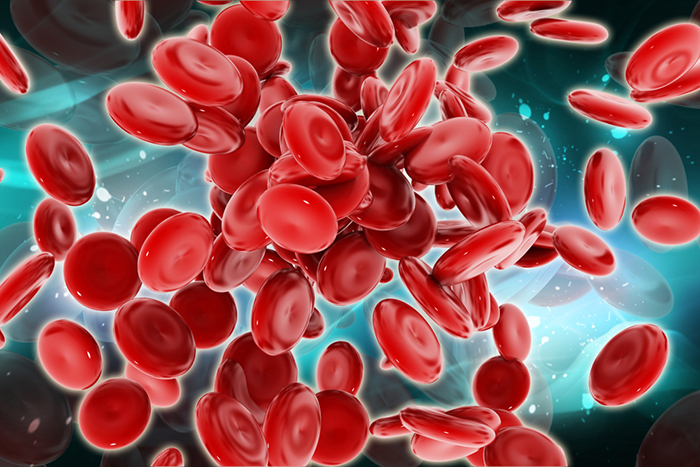
Erythroblastosis fetalis classically results from Rh 0 (D) incompatibility, which may develop when a woman with Rh-negative blood is impregnated by a man with Rh-positive blood and conceives a fetus with Rh-positive blood. Other fetomaternal incompatibilities that can cause erythroblastosis fetalis involve the Kell, Duffy, Kidd, MNSs, Lutheran, Diego, Xg, P, Ee, and Cc antigen systems, as well as other antigens. Incompatibilities of ABO blood types do not cause erythroblastosis fetalis.
Pathophysiology Fetal RBCs normally move across the placenta to the maternal circulation throughout pregnancy. Movement of large volumes (eg, 10 to 150 mL) is considered significant fetomaternal hemorrhage, it is maximum after any trauma and sometimes at the time of delivery or termination of pregnancy. In women who have Rh-negative blood and who are carrying a fetus with Rh-positive blood, fetal RBCs…