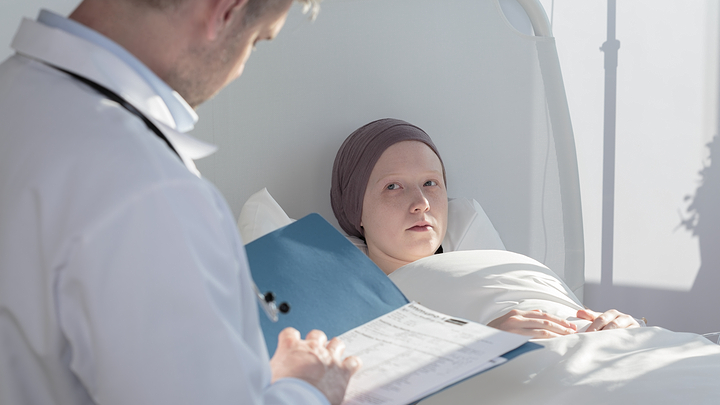
Evidence suggests a rapid increase in the occurrence of childhood cancer. It is necessary to diagnose cancer in early stages to improve the quality of life in children. Advances in treatment regimens and supportive care improved the survival rate. In order to prevent late effects in survivors of childhood cancer, Scottish Intercollegiate Guidelines Network (SIGN) documented the grade of recommendation relates to the strength of the evidence on which the recommendations are based.
This guideline is aimed at primary care staff who provide health care for cancer survivors, as well as secondary care and long-term follow-up (late effects) clinic staff who assess patients and manage the long-term care of this group. Subsequent primary cancers: Should be aware of the childhood cancer survivor’s history while recommending therapy (radiology/chemotherapy). If a patient is underlying genetic…