
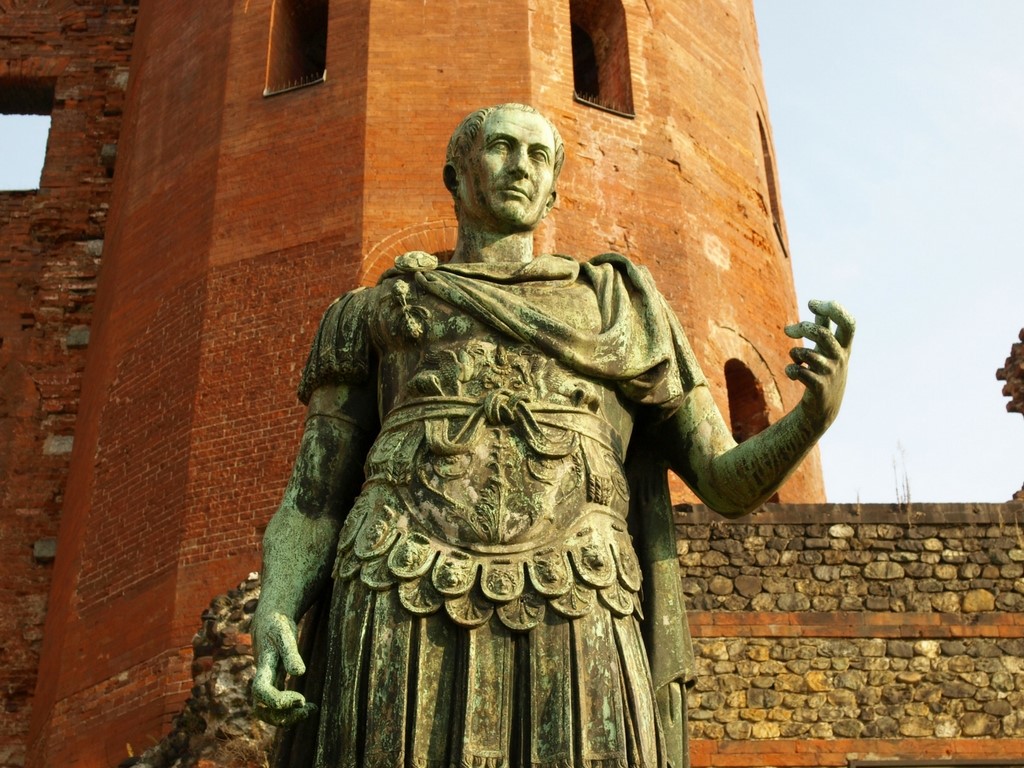
It is early morning in Ancient Rome. The city is bubbling with life and energy. Men and women walk with optimism, and there are children playing. The hawkers display their wares, bargaining with potential buyers. A rectangular sheet of sunlight dives between the pillars, and falls on a fortune teller by the street. His aged face, illuminated by the sun’s rays, is serene and calm.
As the Roman Emperor passes by, the fortune teller’s expression does not change. But Julius Caesar does change his expression, to a strange mixture of triumph and confidence. Caesar is on his way to the senate, and having passed the fortune teller, takes a step back to have a jibe at him. For, wasn’t this the same fortune teller who told him to beware of disaster on this day? Some time ago, in February, the fortune teller had advised Julius Caesar to be cautious about the middle day of March (also called the…