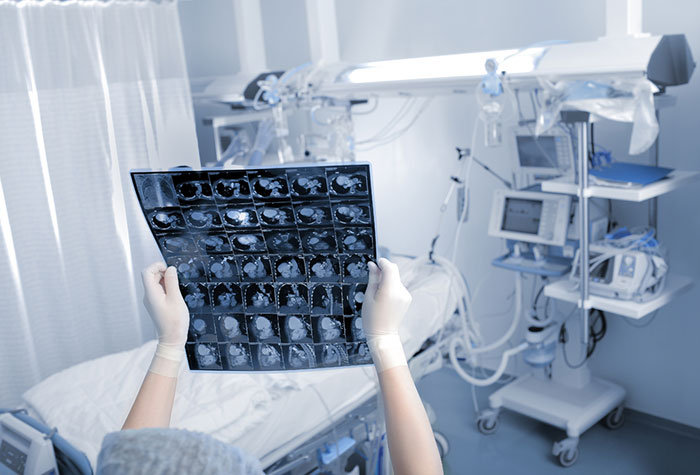
Diagnostic tools like PET, CT, and radionuclide scans are the potential tool in the diagnosis and follow-up procedures. But using the mighty tools in a wise way can give an excellent clinical outcome and patient satisfaction and compliance. Following are the ten useful recommendations from The American Society of Clinical Oncology (ASCO) on using the diagnostic procedure in diagnosis, staging and follow-up of cancer patients.
Don’t perform PET, CT, and radionuclide bone scans in the staging of early prostate cancer at low risk for metastasis. Imaging with PET, CT, or radionuclide bone scans can be useful in the staging of specific cancer types. However, Evidence does not support the use of these scans for staging of newly diagnosed low-grade carcinoma of the prostate (Stage T1c/T2a, prostate-specific antigen (PSA) <10 ng/ml, Gleason score less than or equal to 6) with low risk of…