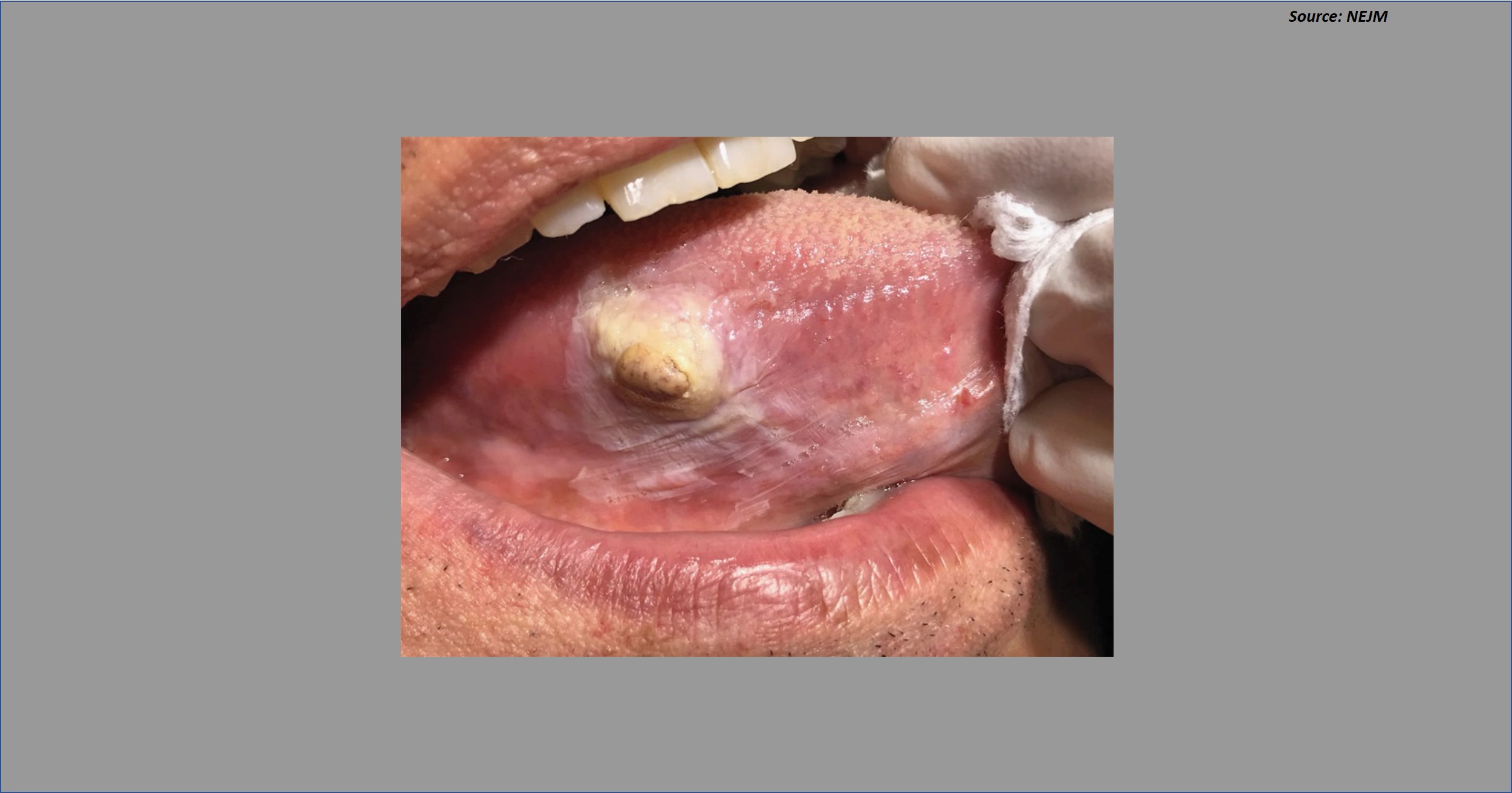

Aspergillus flavus is best known for producing potent carcinogenic secondary metabolites (aflatoxins). Inhalation of aflatoxin-laden grain increases the risk of lung cancer. Approximately, 40 secondary metabolites have been identified from A. flavus cultures. In addition, the genome structure analysis of the pathogen has predicted the existence of at least 56 secondary metabolite gene clusters.
The secondary metabolites, also known as mycotoxins, can penetrate human cells and cause a major mutagenic change in the nucleotide sequence of the genome. This may cause permanent defects in the genome and lead to cancer development. Aflatoxin B1 (AFB1) is a fatal and potent dietary hepatocarcinogen causing an altered expression of the tumor suppresser genes. Inhalation of aflatoxin-laden grain dust is responsible for an increased incidence of lung cancer in humans. Furthermore, researchers are…