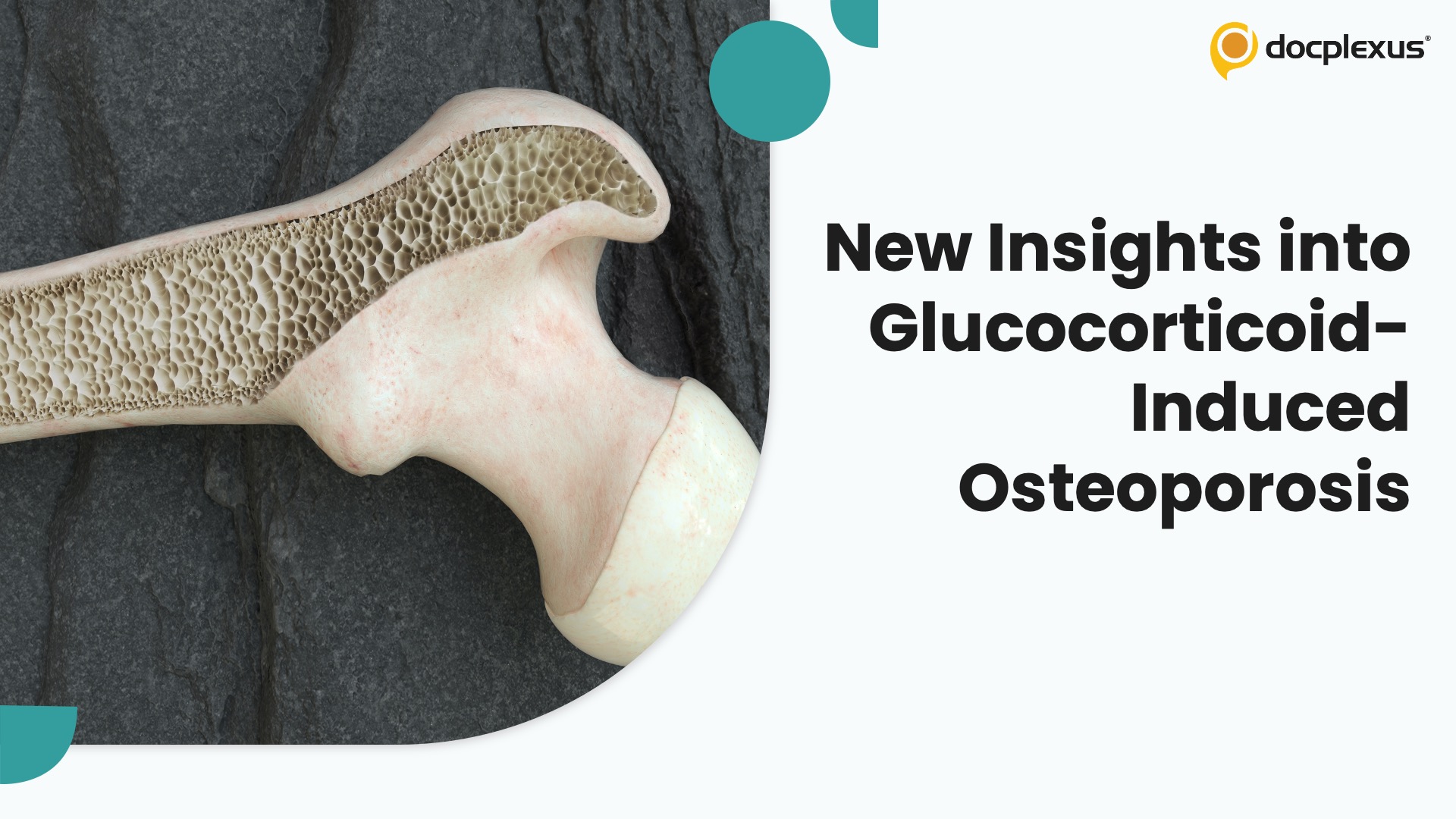
Long-term and high-dose glucocorticoid therapy remains essential for many immune-mediated diseases but substantially increases the risk of vertebral and nonvertebral fragility fractures through multifactorial effects on bone and muscle. Supraphysiological glucocorticoid exposure suppresses osteoblast and osteocyte function, transiently stimulates osteoclast activity, degrades bone matrix and muscle protein, and alters systemic metabolism, leading to impaired microarchitecture, reduced bone strength, and higher fall risk.
Fracture-risk assessment using FRAX combined with dual-energy X-ray absorptiometry, refined with tools such as trabecular bone score, improves identification of high-risk patients who may benefit from early initiation of bone-forming or antiresorptive therapies. This review underscores the need for proactive, protocolized screening and timely pharmacologic prevention in…