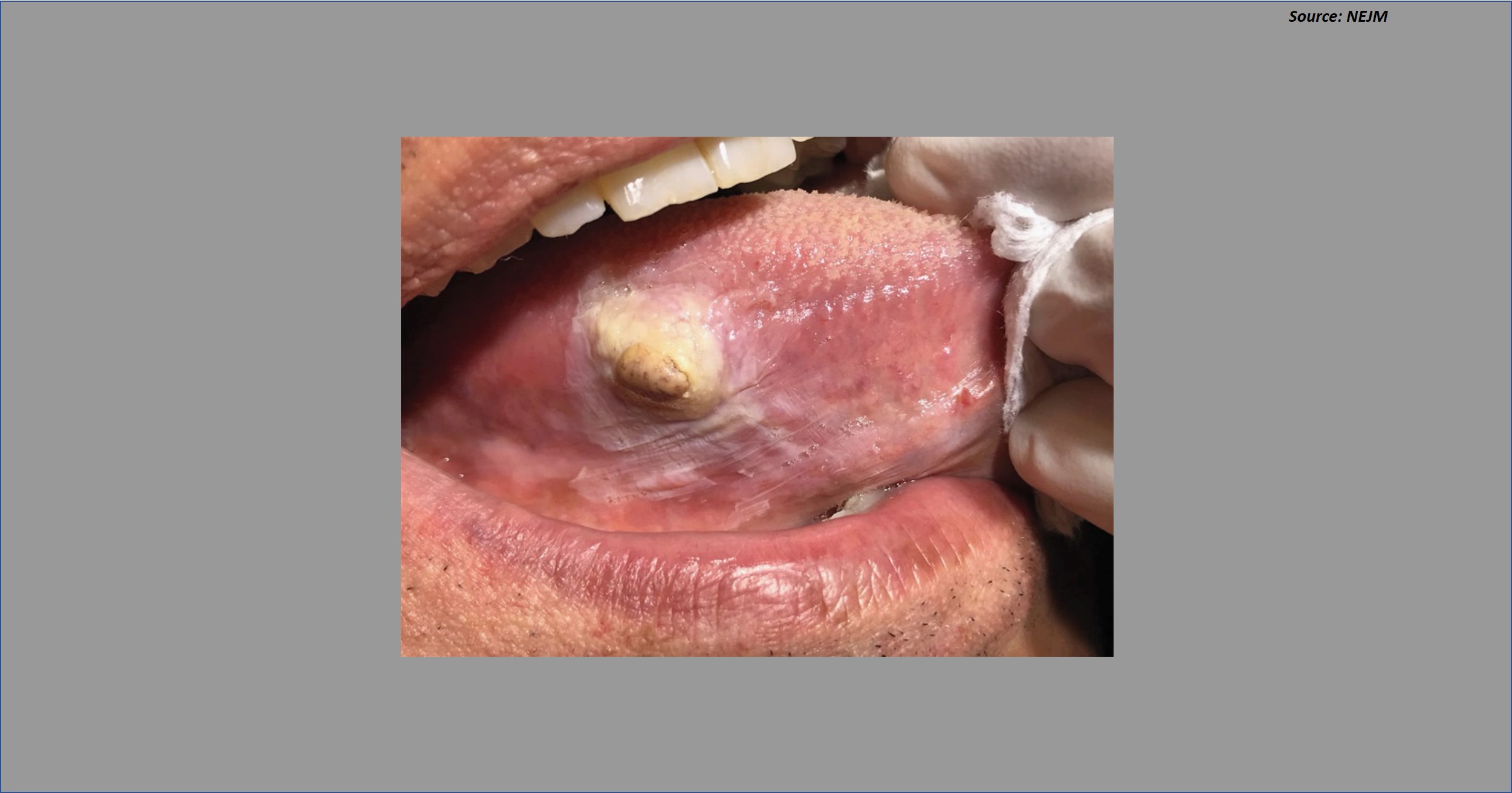

Worldwide, Gout is the commonest cause of inflammatory arthritis. It is a common type of arthritis that mainly leads to intense pain, swelling, and stiffness in a joint. The most important risk factor for the development of gout is sustained hyperuricemia. The current article is the synopsis of the 2017 guidelines stated by the British Society for Rheumatology for the Management of Gout.
The clinical presentation of gout includes tophi, chronic arthritis, urolithiasis and renal disease as well as recurrent acute arthritis, bursitis and cellulitis. The most common risk factors associated with gout are age, male gender, menopausal status in females, impairment of renal function, hypertension and other co-morbidities such as the presence of metabolic syndrome etc. Recommendations for management of acute attacks The patients should be educated that attacks should be treated as soon as it…