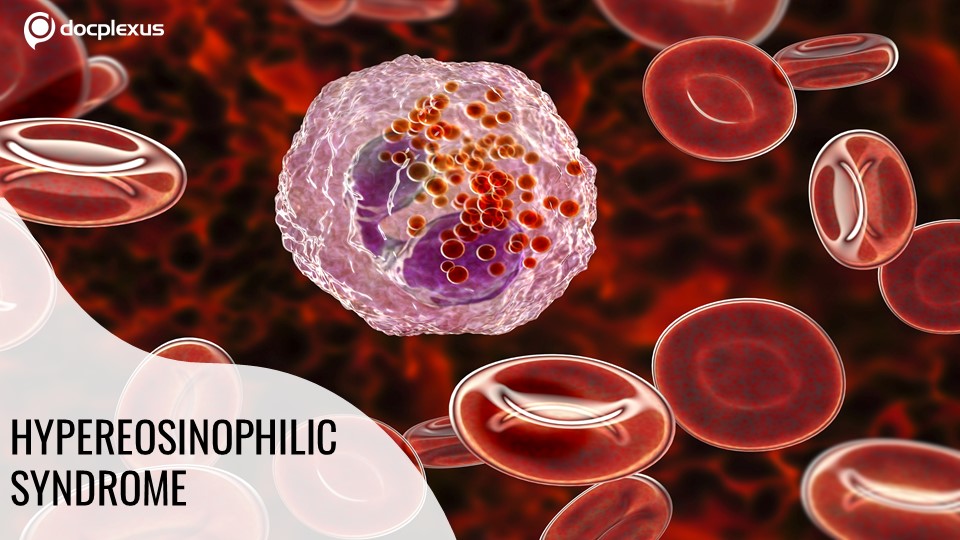
Hypereosinophilic syndrome (HES) is a group of rare myeloproliferative disorders that results in an increased number of eosinophils (white blood cells). It is caused by mutations in genes that increase the production of interleukin-5 in the body. HES is more common in men between the ages of 20 and 50. Symptoms Diagnosis The following criteria are used to identify the hypereosinophilic syndrome Blood test: To diagnose autoimmune diseases, parasite infections, and liver and kidney issues. Allergy tests: To determine environmental or food allergies.
Stool tests: To diagnose parasitic illnesses like hookworm. Genetic test: To check for a gene mutation that causes HES. HES can be treated and managed differently depending on the severity of the disorder and whether an underlying cause for the excessive numbers of white blood cells (eosinophilia) has been established. Question: Which of the…