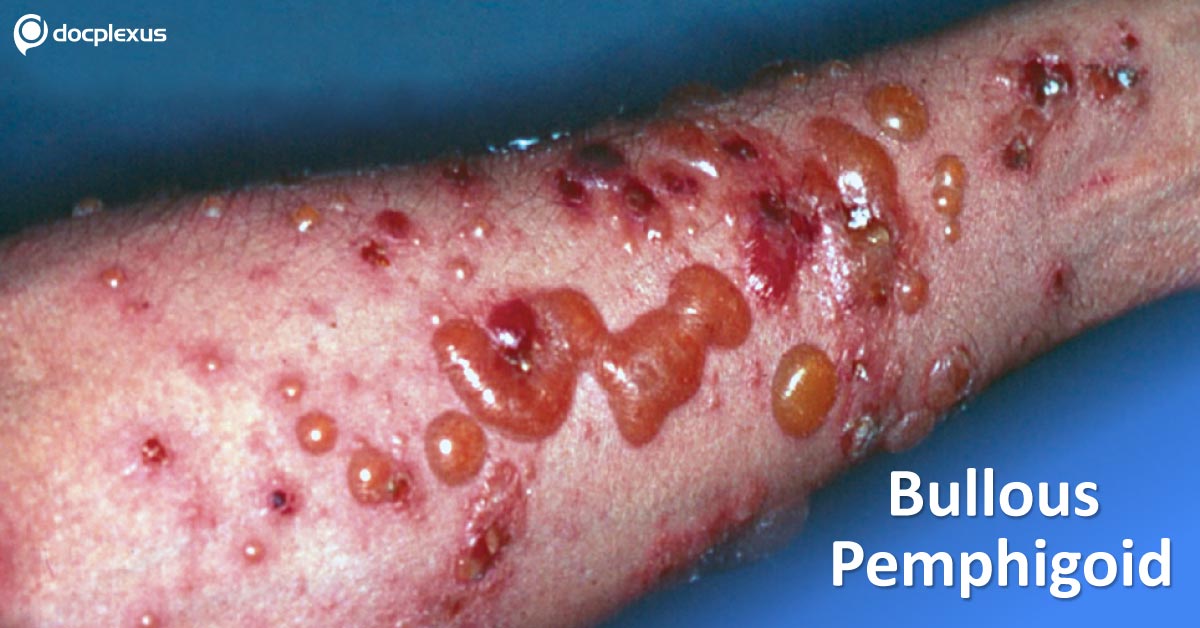
Bullous pemphigoid (BP) is an autoimmune subepidermal blistering disease that typically affects the elderly but may rarely present in children and younger adults. When severe, BP is potentially life-threatening. Therefore, a good disease control is warranted. BP is usually a self-limiting disease with a clinical course that may last from months to years.
During the active stage, the disease is associated with significant morbidity and a mortality twice that of the general elderly population. In this regard, the 2012 British Association Of Dermatologists has recommended some important guidelines regarding Bullous pemphigoid and its effective management that can help to address these issues and provide guidance on best practice. Risk factors Recently it has been shown that BP is associated with neurological diseases such as cerebrovascular disease, dementia, Parkinson disease, epilepsy…