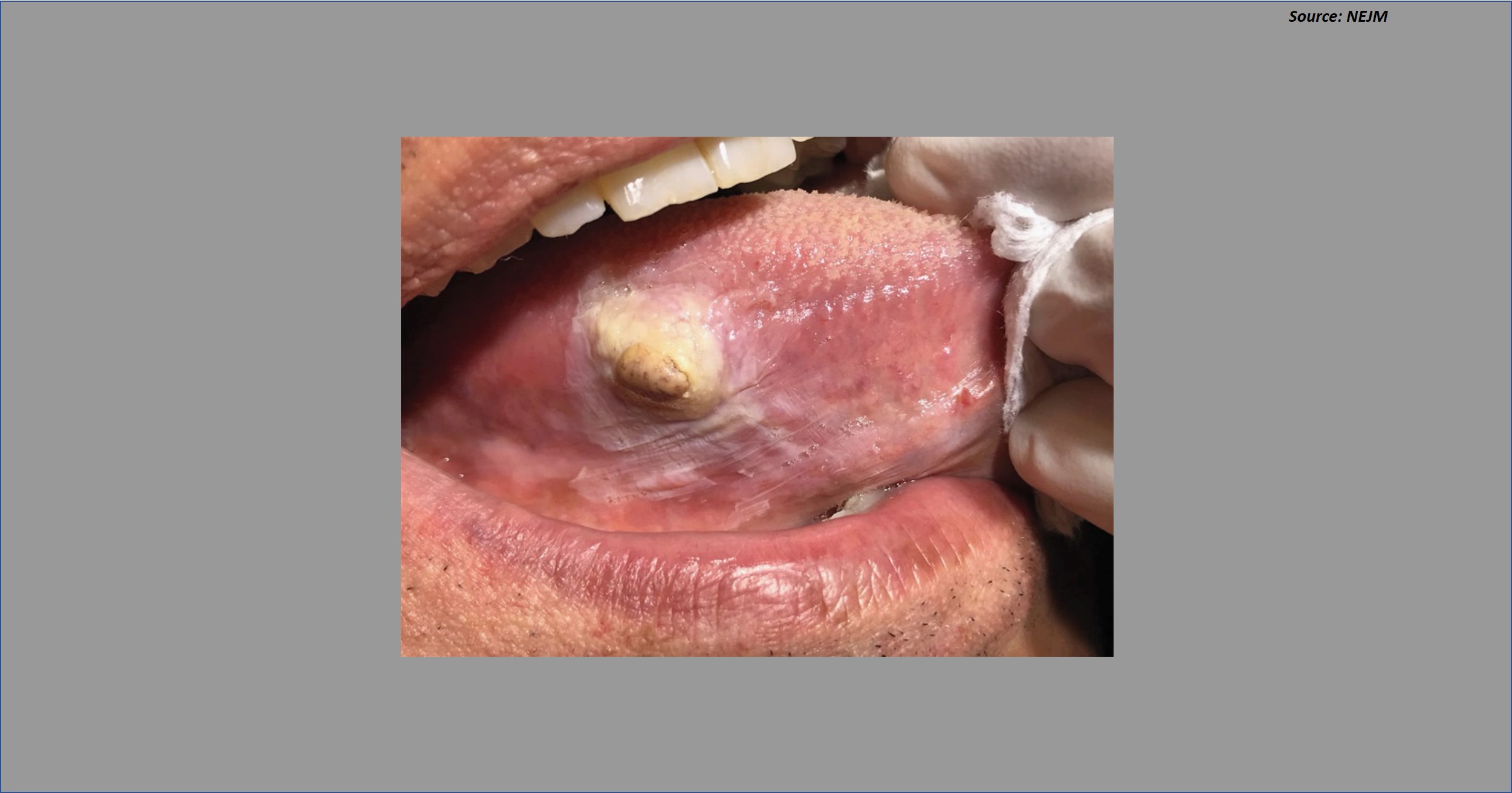

Head and neck cancer constitutes cancer that develops in the mouth, throat, nose, salivary glands, oral cancers or other areas of the head and neck. Most of these cancers are squamous cell carcinomas or cancers that begin in the lining of the mouth, nose, and throat. 85% of head and neck cancers are linked to tobacco use, and 75% are associated with a combination of tobacco and alcohol use. The first step in treating head and neck cancer is to determine the stage of cancer. Stage I and II cancers are small and have not spread from their original location.
These are usually curable. Stage III and IV cancers have usually spread to nearby lymph nodes, and are large tumors. They usually require more complicated treatment and have a smaller chance of cure, but most are potentially curable. Generally, the stage, along with age, general health, and location of the tumor, will determine the…