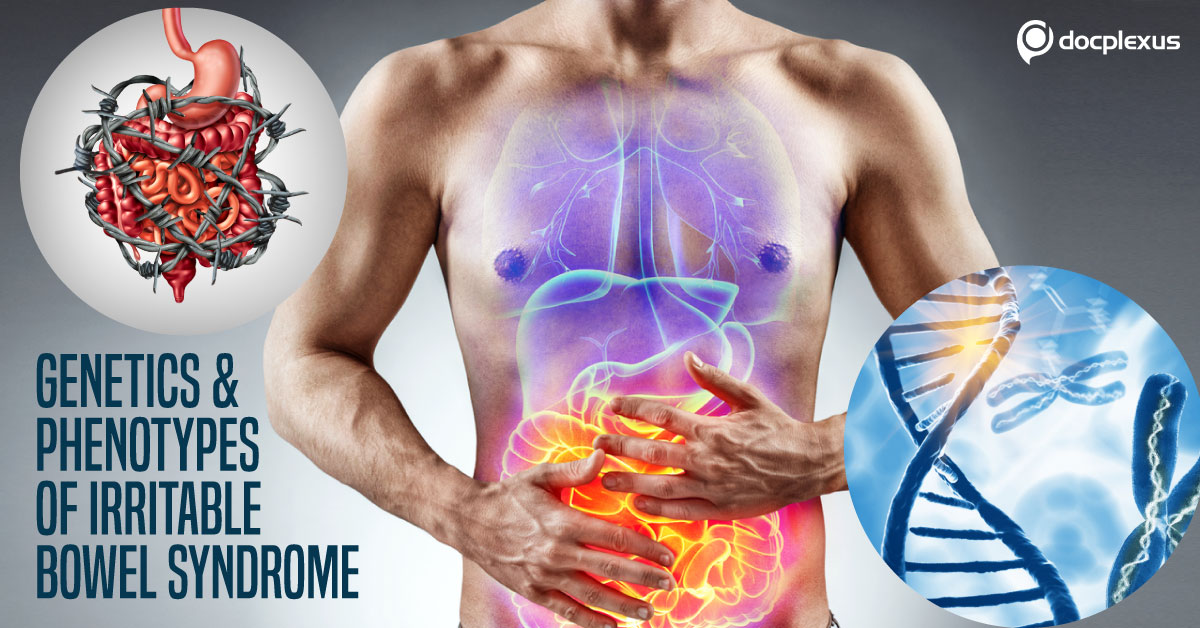
Irritable bowel syndrome (IBS) has long been identified as a very heterogeneous disease at the clinical level. This article emphasizes the role of genetics in IBS. Previously, the location of the disease was considered a key factor for IBS presentation, complications, and surgery rates. Currently, the Montreal and Paris classification has modified the clinical phenotypes further, acknowledging that age, location, and extent of the disease are the prime factors affecting the disease course and prognosis.
The ileal (L1) and ileocolonic (L3) IBS are more commonly associated with stenosing and fistulizing complications with the requirement of surgery than colonic IBS (L2). On the contrary, in ulcerative colitis, the extensive disease (E3) usually has greater therapeutic needs, risk of colorectal cancer and rates of hospital admission and surgery than non-extensive disease (E1 and E2). More…