
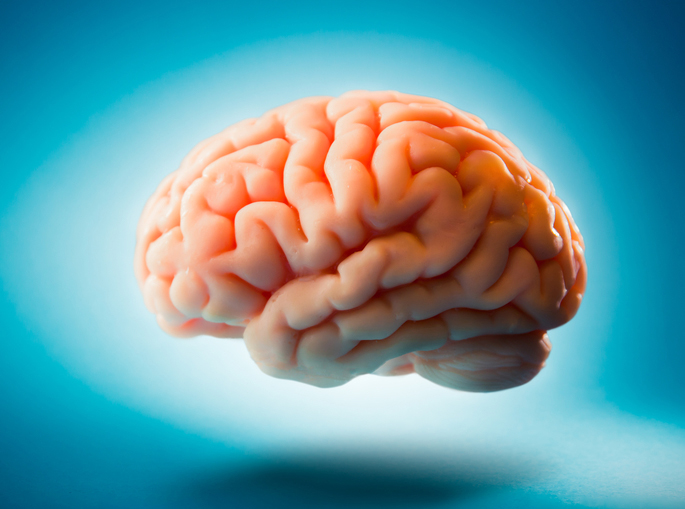
Damage to the cerebellum, while not causing paralysis or intellectual impairment, might lead to a lack of balance, slower movements, and tremors (shaking). Complex physical tasks would become unsteady and halting. These anomalies can be detected by physical examinations as demonstrated by this video. Introduction The cerebellum coordinates unconscious regulation of balance, muscle tone, and coordination of voluntary movements.
Therefore, signs suggesting cerebellar disease occur in several different aspects of the body. Signs of cerebellar disease, from head to foot Scanning speech Causes enunciation of individual syllables: “the British parliament” becomes “the Brit-tish Par-la-ment.” Nystagmus Fast phase toward side of cerebellar lesion. Finger to nose & finger to finger test Ask patient to fully extend arm then touch nose or ask them to touch their nose then fully extend to touch…