
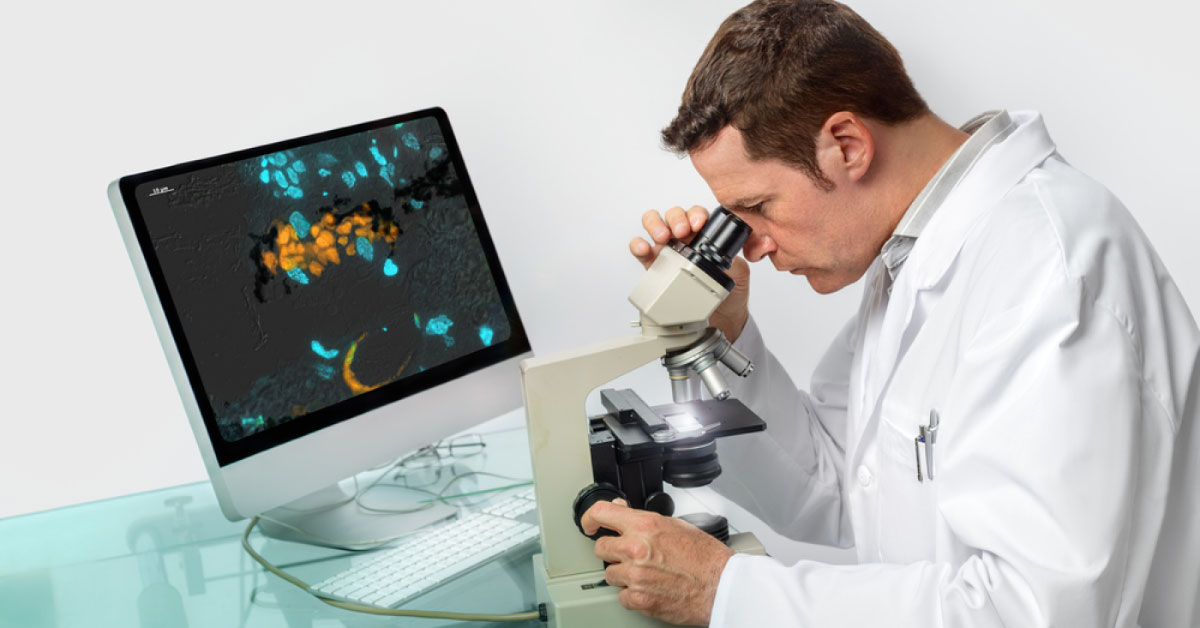
Immunofluorescence has always helped understand the immunopathology in various dermatological diseases. It has remained as an important diagnostic tool for more than 50 years since its introduction. The article provides a brief overview of different immunofluorescence techniques and their do's and don'ts while collecting samples for dermatology. Immunofluorescence (IF) is a histochemical technique which is used to detect antibodies bound to antigens in the tissue or in the circulating body fluids.
IF adds valuable information to the clinical diagnosis or sometimes it is used as one of the main diagnostic tools. However, the application of IF in the dermatology has gained attention very recently. There are two types of IF techniques direct IF (DIF) and indirect IF (IIF). Direct Immunofluorescence Direct IF is a single-step procedure where antibodies bound in vivo to antigens in the skin…