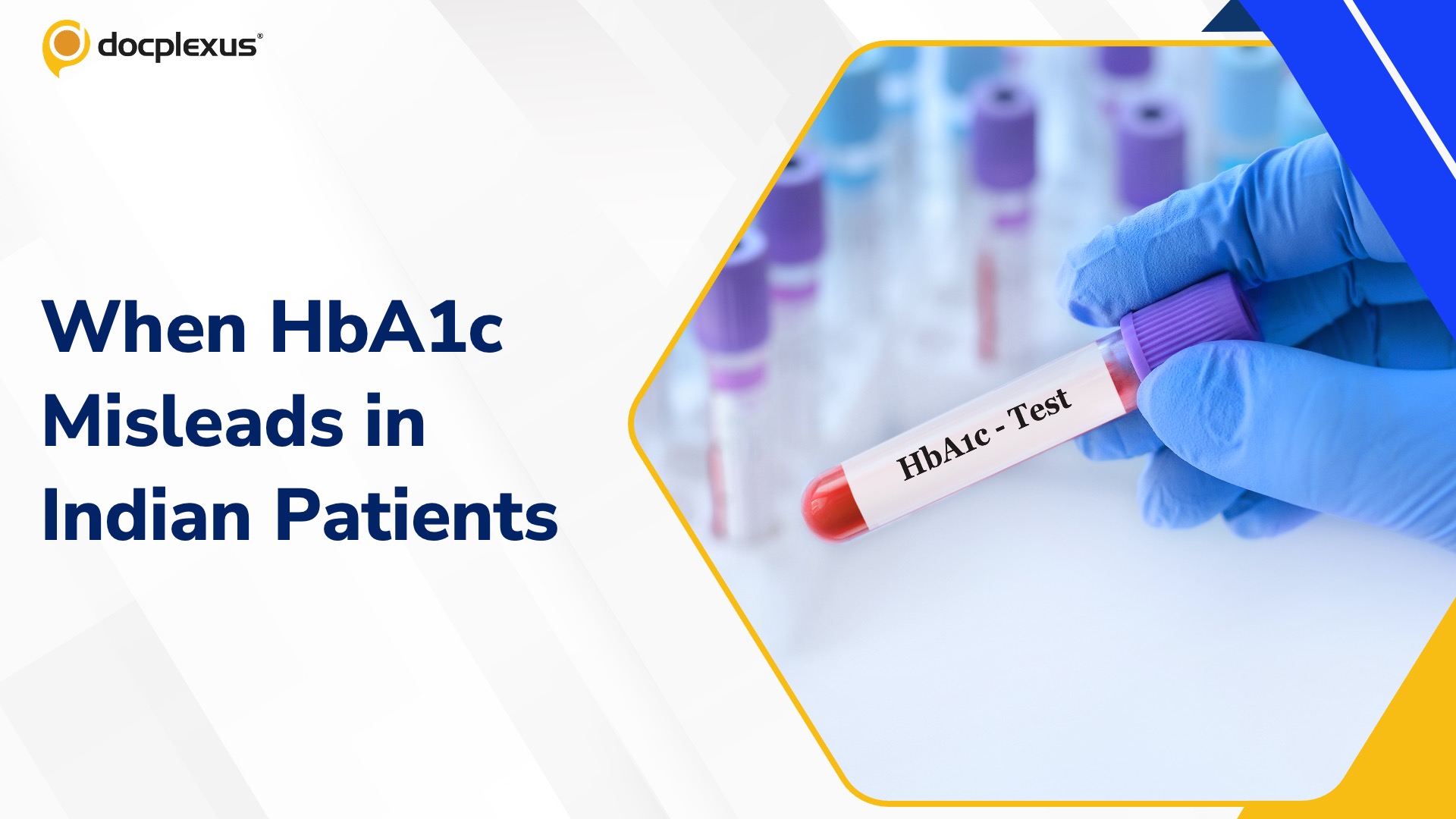
A recent analysis published in The Lancet Regional Health Southeast Asia has raised important concerns about relying solely on HbA1c for diagnosing and monitoring diabetes in Indian populations. While HbA1c remains a global mainstay because it is convenient, does not require fasting, and reflects average glycemia over two to three months, the authors highlight that, in South Asia, several biological and laboratory factors can significantly distort its accuracy. A major challenge is the high prevalence of conditions that alter red blood cell dynamics.
Iron deficiency anemia affects more than half of Indian adults in some regions. Hemoglobinopathies such as sickle cell disease and thalassemia traits, along with glucose-6-phosphate dehydrogenase (G6PD) deficiency, are also common. These disorders can shorten or alter red cell lifespan and distort hemoglobin glycation, leading to HbA1c…