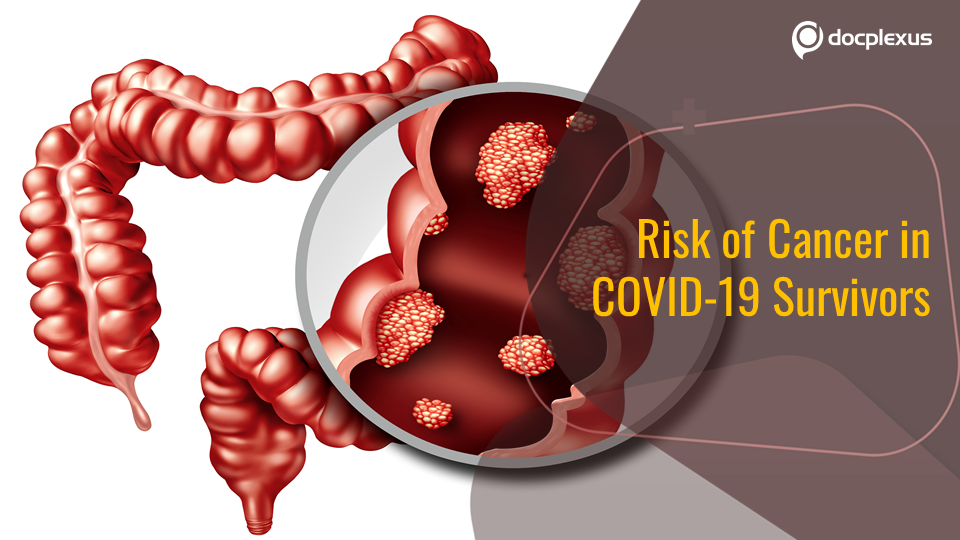
SARS-CoV-2 has not yet been identified as an oncogenic virus; however, there are mechanisms by which it can potentially cause cancer. A multi-national team of researchers reports an increased risk of cancer (colorectal cancer) in COVID-19 survivors due to disrupted cellular autophagy and immune escape. Potential role of SARS-CoV-2 in oncogenesis The major receptor of SARS-CoV-2— angiotensin-converting enzyme-2 (ACE2) and transmembrane serine protease (TMPRSS2) , which are necessary for viral entry, are abundant in the gastrointestinal tract (GIT) where the virus can actively replicate.
The viral proteins interact with several components of the cellular autophagic pathway —they inhibit the autophagosome-lysosome fusion, block the induction of the autophagic mechanism, and cause protein overexpression. Additionally, SARS-CoV-2 creates immune escape by downregulating MHC-1 , another…