
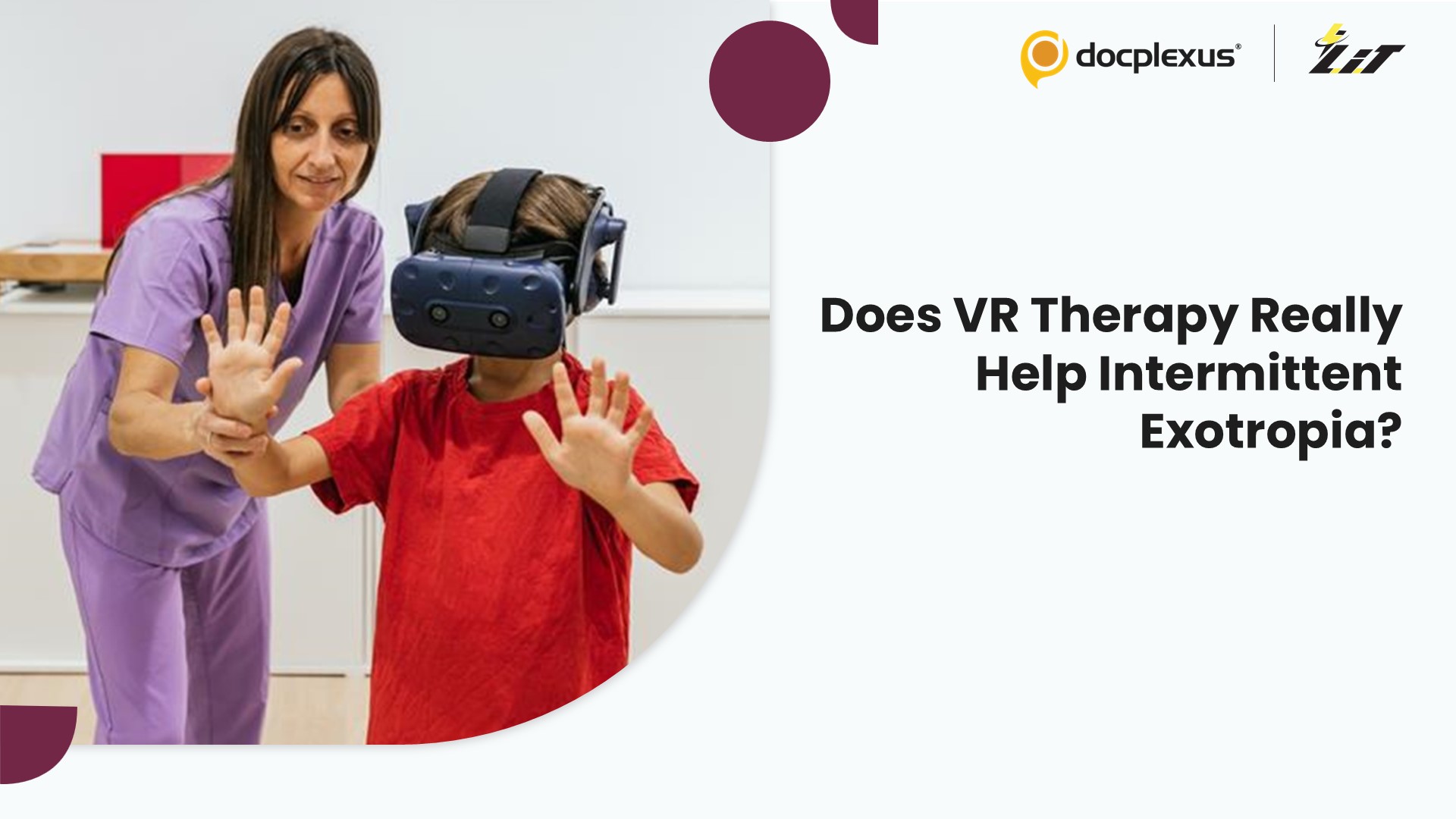
Intermittent exotropia (IXT), the most common form of childhood divergent strabismus, can impair binocular vision and psychosocial well-being, yet the effectiveness of nonsurgical treatments remains uncertain due to limited high-quality evidence. To address this gap, a study evaluated the efficacy and safety of virtual reality based vision therapy compared with conventional approaches in 177 children with IXT with a median age of 8 years. The study found a modest improvement in distance exotropia control score at 12 weeks with VR-based vision therapy (median change −0.33) compared with the control group (0.00), with a between-group difference of −0.33.
Greater benefit was seen in participants with >75% adherence (between-group difference −0.71) and those with baseline scores ≥2 (−0.67), while minimal effect was observed in those with a baseline score of 1 (−0.01). No treatment-related…