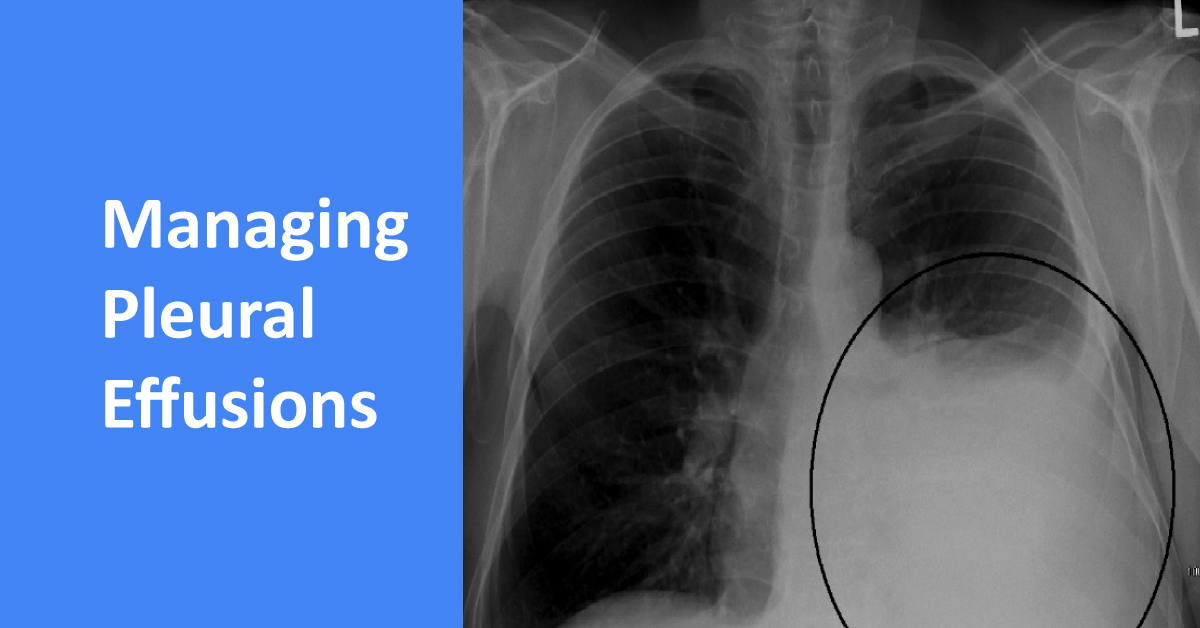
Generally, malignant pleural effusions are secondary to lung cancers, breast cancers , and lymphomas. In cases where pleural effusions do not respond to the chemotherapy and are recurrent in nature, management of the patient becomes crucial while balancing the cost, expected life expectancy and the available expertise. This article reviews the widely used therapeutic strategies to manage the pleural effusions. Around two third of malignant pleural effusions (MPE) are secondary to lung cancers, breast cancers, and lymphomas.
Whereas, ovarian carcinoma and other malignancies also contribute to malignant pleural effusions up to some extent. However, in almost 6% of these patients, the primary site is not identified. Direct involvement of pleura results from several mechanisms that include pleural metastasis with increased permeability, metastasis with obstruction of pleural lymphatics,…