
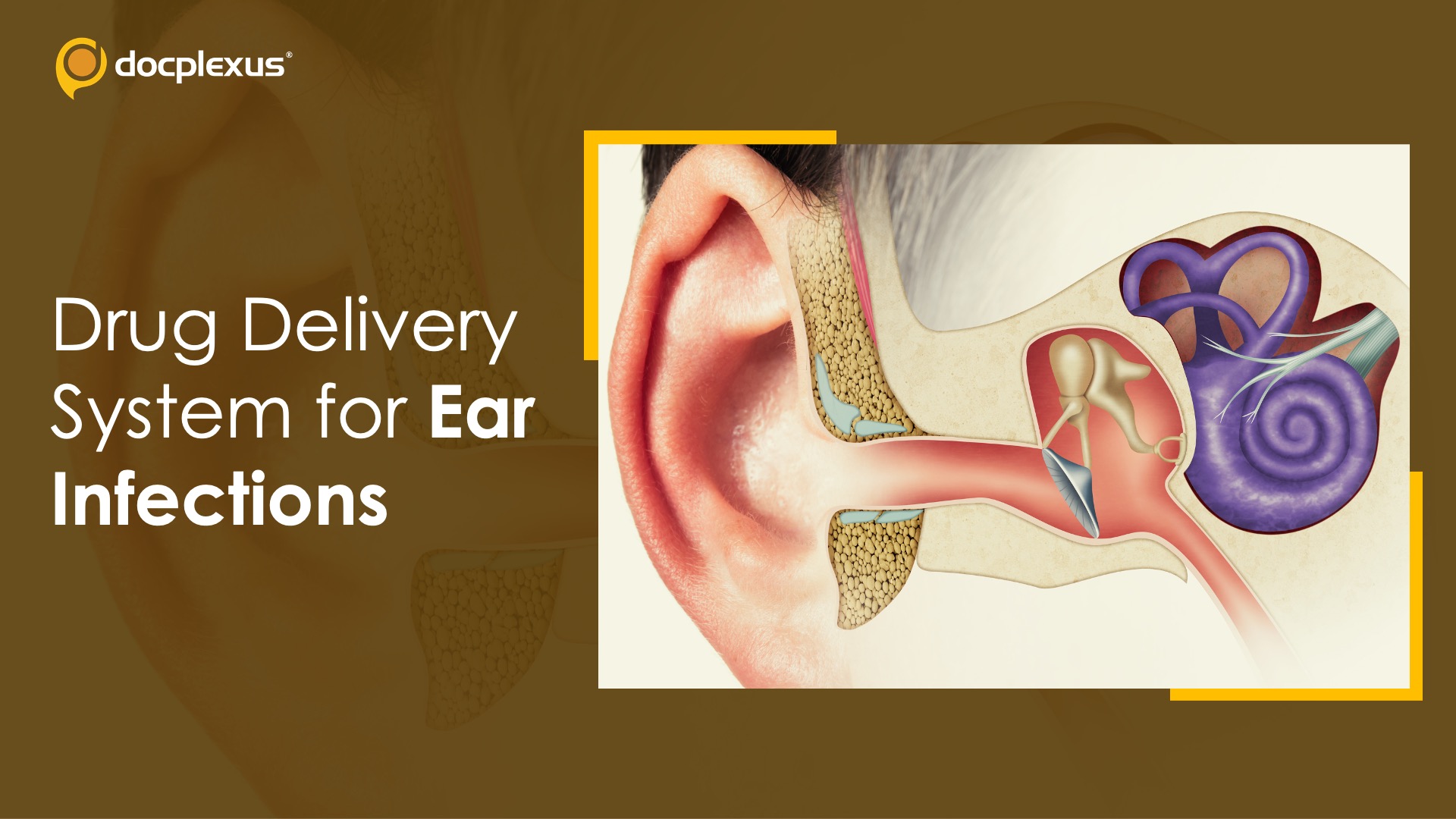
Outer ear infections caused by Pseudomonas aeruginosa or Staphylococcus aureus affect millions of people every year. Repeated administration of antibiotics as a part of the standard treatment procedure might lead to antibiotic resistance. Besides, the need for cold storage and complicated procedure makes antibiotics less accessible to the rural population. To avoid this limitation, researchers tested two new delivery systems by combining activated tetraethyl orthosilicate with large molecular-weight polymers. The products remain in the liquid state in the syringe and transform to gel on entering the skin to release the antibiotic through diffusion.
The hydrogels are stable at a temperature range of 39.2 F to 104 F. Antibiotic ciprofloxacin does not need cooling, and on incorporation to the gel form, the combination was found to be bactericidal for P. aeruginosa or S. aureus in cultures…