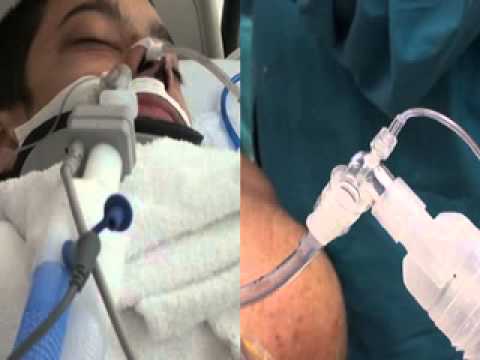
Have you ever faced a situation when the carbon dioxide levels in the sedated patient are confusing? The capnography has risen as useful non-invasive technique to monitor carbon dioxide concentration. This video from The New England Journal of Medicine provides insights about its use during anesthesia. Patients under anesthesia are not in complete control of their normal homeostatic mechanisms. A loss of respiration control, temperature control and blood pressure control are measure areas of concern for any anesthesiologists and operating clinicians.
The change in the respiration during anesthesia often leads to CO2 variations. These variations provide very important insights about the status of the patient. Capnography is now standard of care for monitoring the adequacy of ventilation in patients receiving general anesthesia. It is also used increasingly in intensive care units. Before…