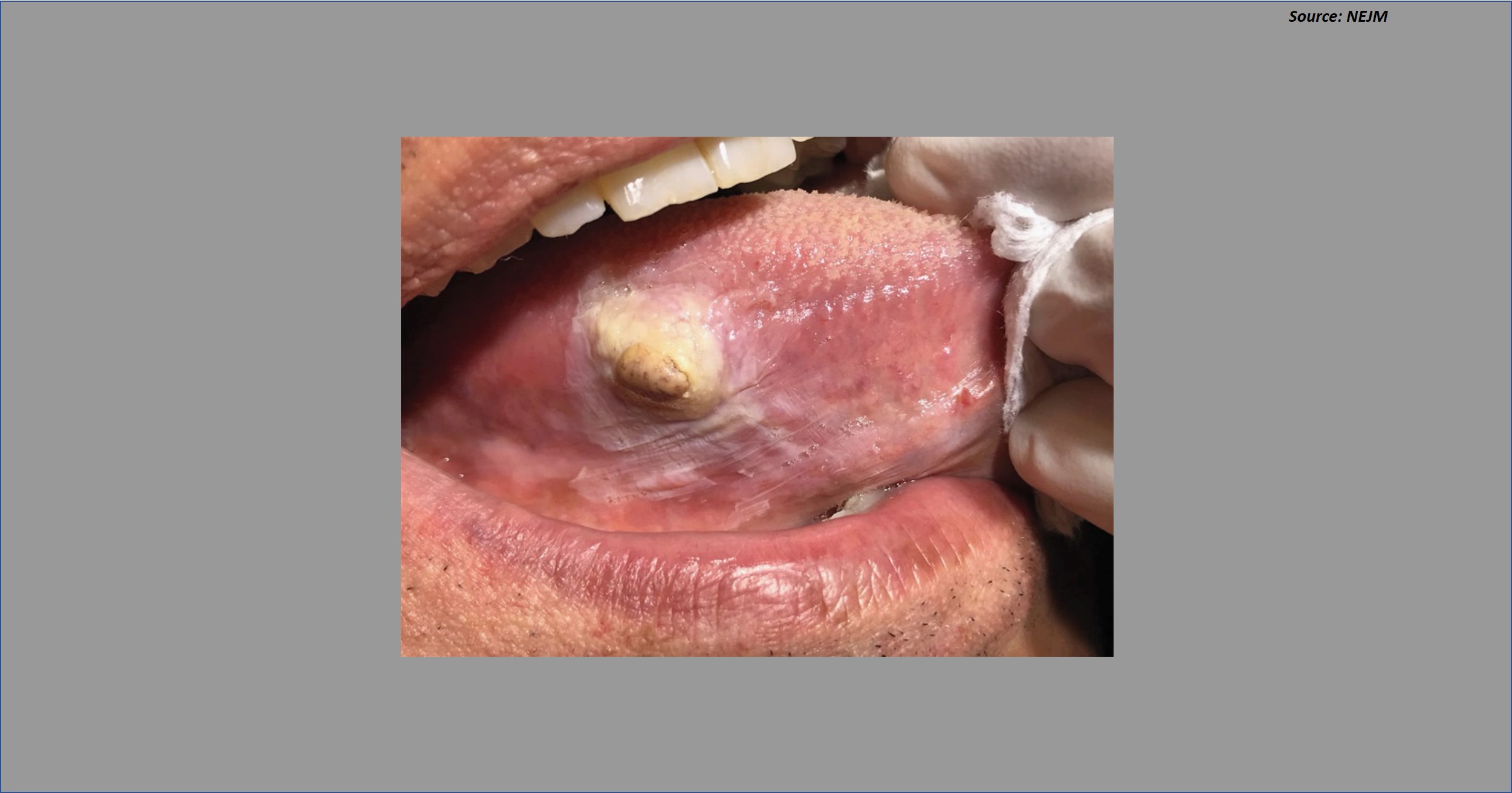
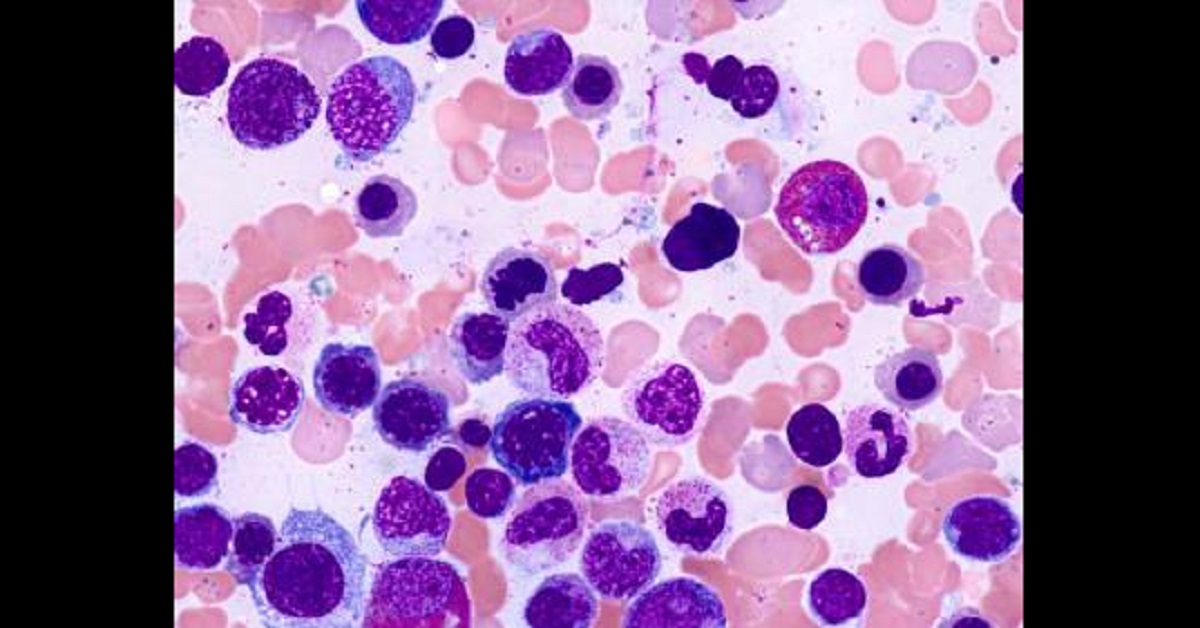
Myelodysplastic syndrome (MDS) refers to a heterogeneous group of closely related clonal hematopoietic disorders commonly found in the aging population. The incidence of MDS is around 4-5 per 1,00,000 yearly. It is the most common hematopoietic malignancies in people above 80 years.
This article discusses the symptoms and treatments available for MDS. Causes: MDS results from malfunctioning of hematopoietic stem cell function. Usually, the stem cell injury is caused by exposure to any of the following: Cytotoxic chemotherapy Radiation Viral infection Genotoxic chemicals (eg, benzene) Symptoms: Fatigue Shortness of breath Unusual paleness (pallor) due to anemia Easy or unusual bruising or bleeding Pinpoint-sized red spots just beneath your skin caused by bleeding (petechiae) Frequent infections MDS can be classified as primary (de novo) or secondary to aggressive treatment of other…