
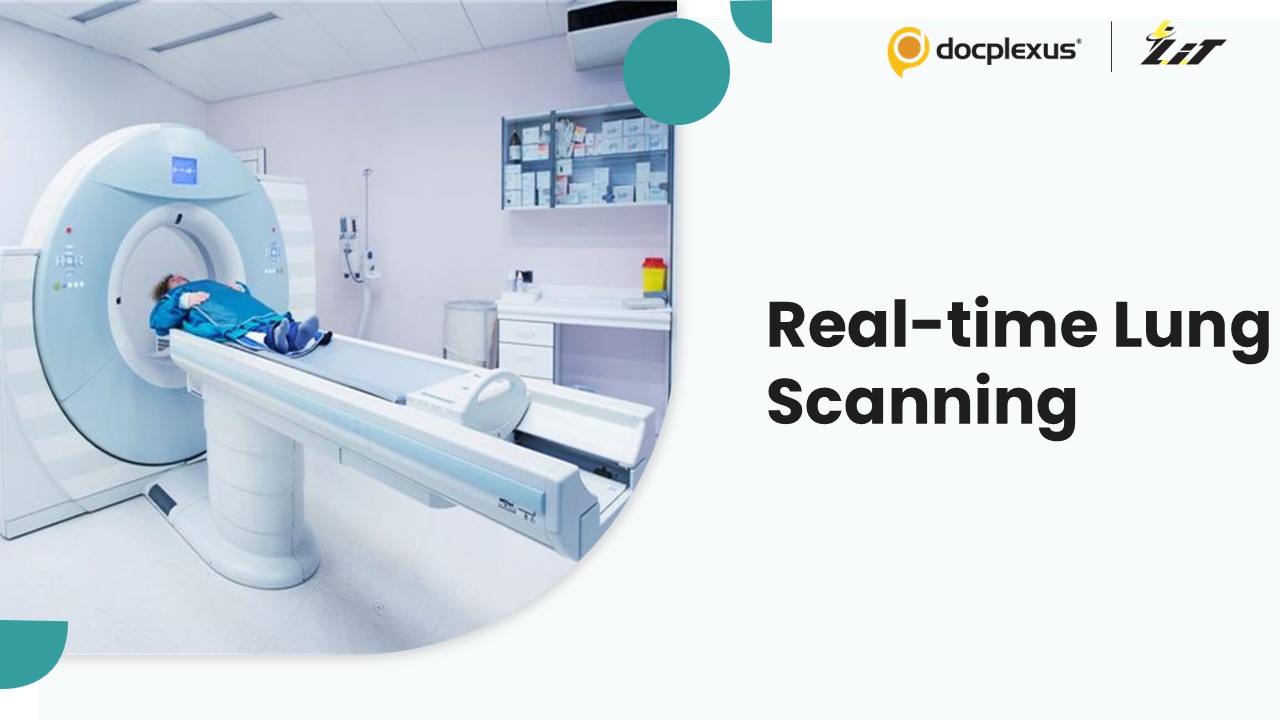
Computed tomography detects structural changes in the lungs. However, it has limitations like high radiation exposure and nonspecific results for early chronic lung allograft dysfunction (CLAD). Similarly, pulmonary function tests cannot provide information on the properties of regional lung ventilation. Therefore, two studies have explored whether fluorine 19 MRI of inhaled perfluoropropane (19F-MRI) can demonstrate the impact of dysfunction and treatment on lung function.
The first study tested 19F-MRI on ten lung transplant recipients, including six with CLAD. Dynamic 19F-MRI found that CLAD patients with bronchiolitis obliterans syndrome had greater regional ventilation variability than stable patients. Notably, 19F-MRI identified a significant difference in the regional lung clearance index between central and peripheral lung regions in CLAD patients. 1 The second study revealed…

