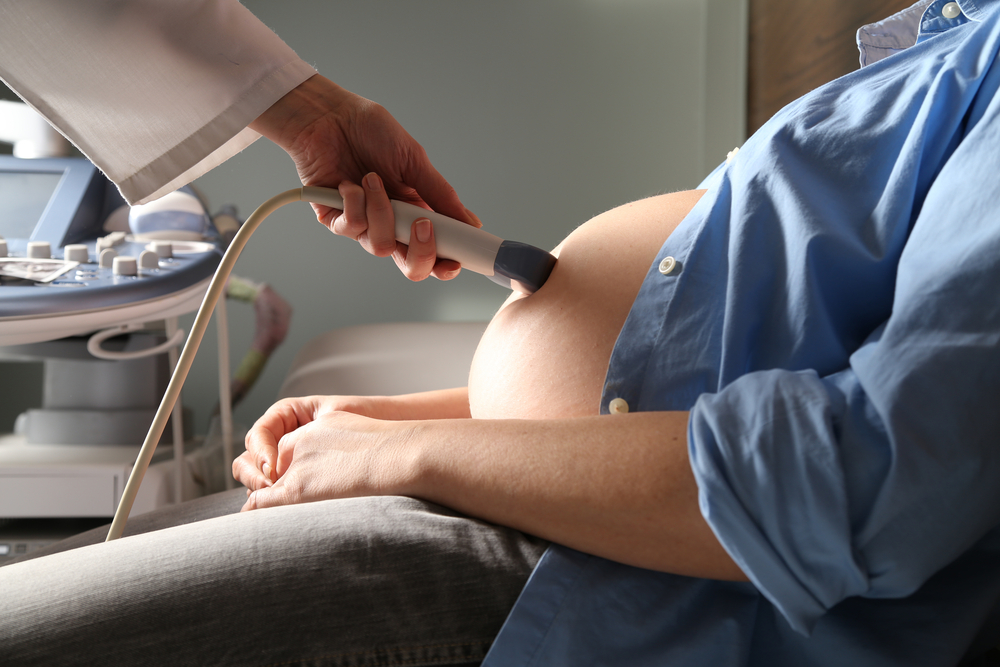
Prenatal genetic testing has changed markedly since the original introduction of amniocentesis as a means to evaluate the fetal karyotype. Because it has long been recognized that maternal age is highly associated with risk for Down syndrome, maternal age became the first screening test for aneuploidy. Later development of screening with maternal serum analytes and nuchal translucency ultrasound all led to improvements in prenatal genetic testing, with higher detection rates and lower screen-positive rates.
The past decade has seen further advances with the discovery of cell-free fetal DNA (cfDNA) in the maternal circulation and development of sequencing and bioinformatics analytic approaches to very accurately assess the risk of Down syndrome. In 2011, this culminated in the clinical introduction of noninvasive prenatal testing (NIPT) for aneuploidy using cfDNA. With very-high…