
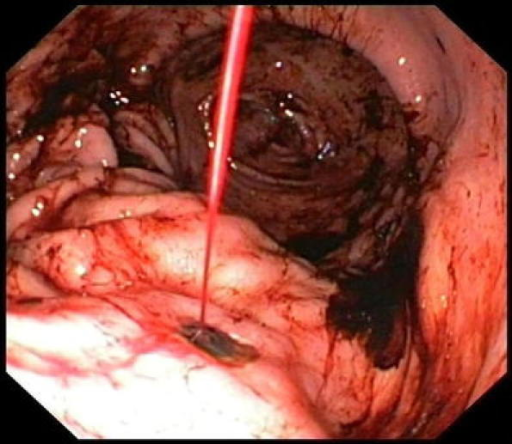
Helicobacter pylori (H. pylori) infection, nonsteroidal anti-inflammatory drugs (NSAIDs), and low-dose aspirin (ASA) use are three independent and the most important modifiable risk factors in the pathogenesis of gastroduodenal peptic ulcers. The current article has been adopted from a study that evaluated the risk of peptic ulcer bleeding (PUB) associated with the interaction of these factors. In clinical practice, the coincidence of H. pylori infection with the intake of one of those drugs in the same patient is frequent and may have important clinical consequences.
In several cases, clinicians expect an additive or a synergistic effect on the risk of peptic ulcer. H. pylori eradication in naive nonsteroidal anti-inflammatory drug (NSAID) users is associated with a significant reduction in the incidence of endoscopic ulcers in patients starting NSAIDs. H. pylori infection commonly…