
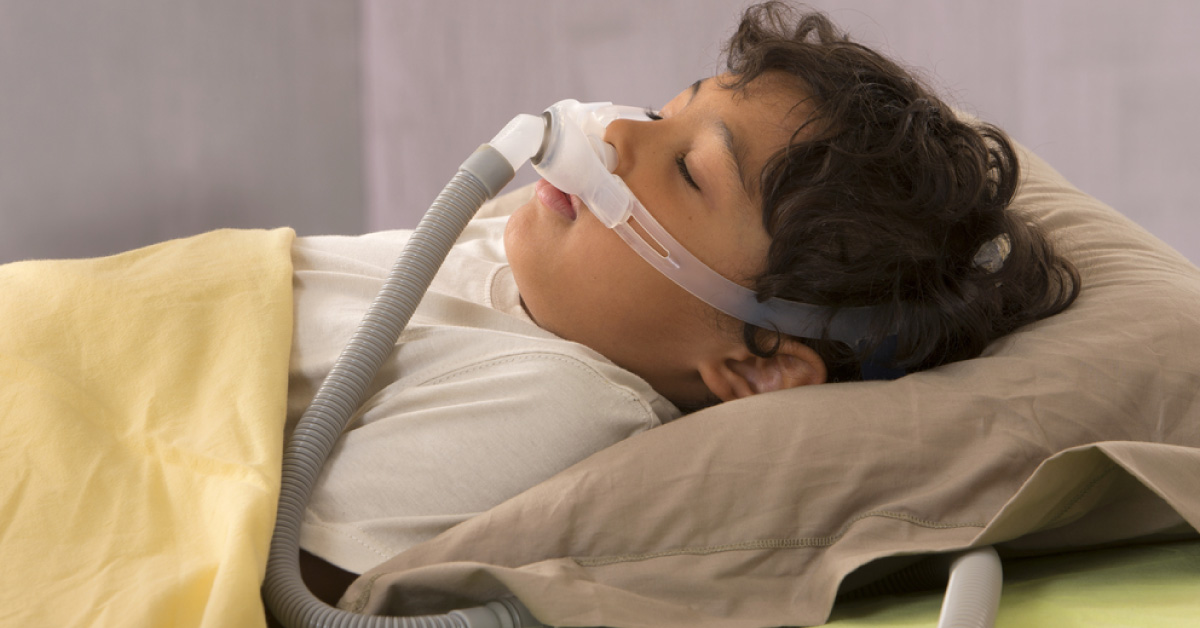
Obstructive sleep apnea (OSA) is a common pediatric breathing disorder, affecting 5-6% of all children. Pulmonary hypertension (PH), a severe complication of OSA, is associated with significant morbidity and mortality. Despite the important relationship between OSA and PH, there is scarce literature addressing this subject in children. Present article highlights pathophysiology and management plan based on few studies.
Introduction Pulmonary hypertension is the mean pulmonary arterial pressure (PAP) more than 25 mmHg during right heart catheterization (RHC). There is a significant increase in PAP from the middle of the obstructive sleep apnea (OSA) to the end of the apnea. This PAP reaches a maximum during the first few breaths once the obstruction is relieved. Risk factors For OSA: Adenotonsillar hypertrophy Obesity and hyperactivity Down's syndrome or achondroplasia Neuromuscular…