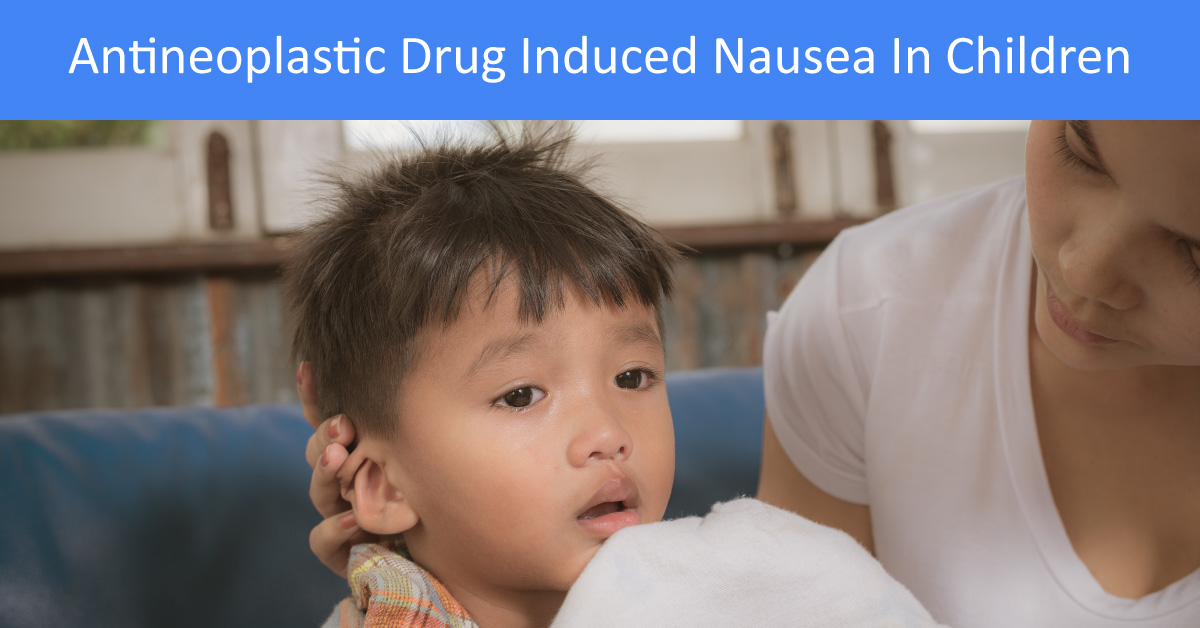
Antineoplastic drug-induced nausea and vomiting (AINV) is a major adverse event which profoundly impacts the quality of life of children with cancer, additionally causing distress to parents and negatively impacting the compliance to therapy. In resource-limited settings, AINV adds to the cost of therapy, increased need for hospital visits and prolongation of hospital stay. A robust AINV prophylaxis regimen is essential to achieve complete control; and prevent anticipatory, breakthrough and refractory AINV. With a wide array of available anti-emetics, standard guidelines for their use are crucial to ensure uniform and optimum prophylaxis.
There is a paucity of guidelines for anti-emetic prophylaxis in children with cancer. The American Society of Clinical Oncology published updated clinical practice guidelines in 2011 followed by a focused clinical update in 2015. However, these do not…