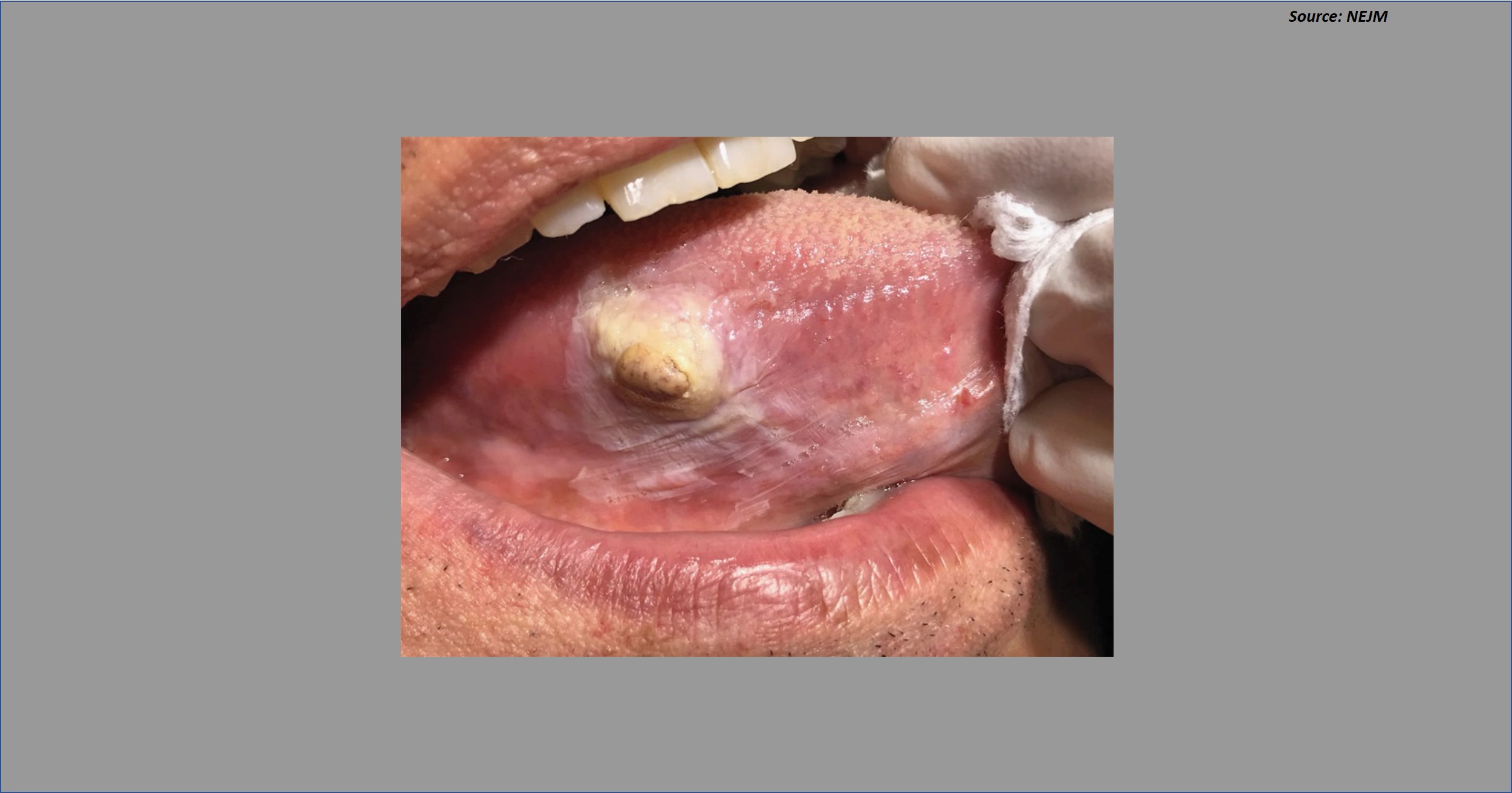
Findings of a new seven-year long study by Australian researchers suggest that there is often no need for the traditional 'fill and drill' approach that has defined dentistry for decades. A simple preventive guideline can stop, reverse, and prevent the early signs of a decay long before a cavity would have developed and drilling comes into play. Many of the patients are scared with the sight of whirling drill in a dentist's hand, and thus, avoid dentists for seemingly minor dental problems that may be a worse trouble for future.
A dental drill is used usually to remove decay and shape tooth structure prior to the insertion of a filling or crown. A recent study suggests, Preventative oral care can reduce the need for unpleasant dental "drilling and filling" by 30-50%, says a study. The findings suggest that tooth decay or dental caries can be stopped, reversed, and prevented without…