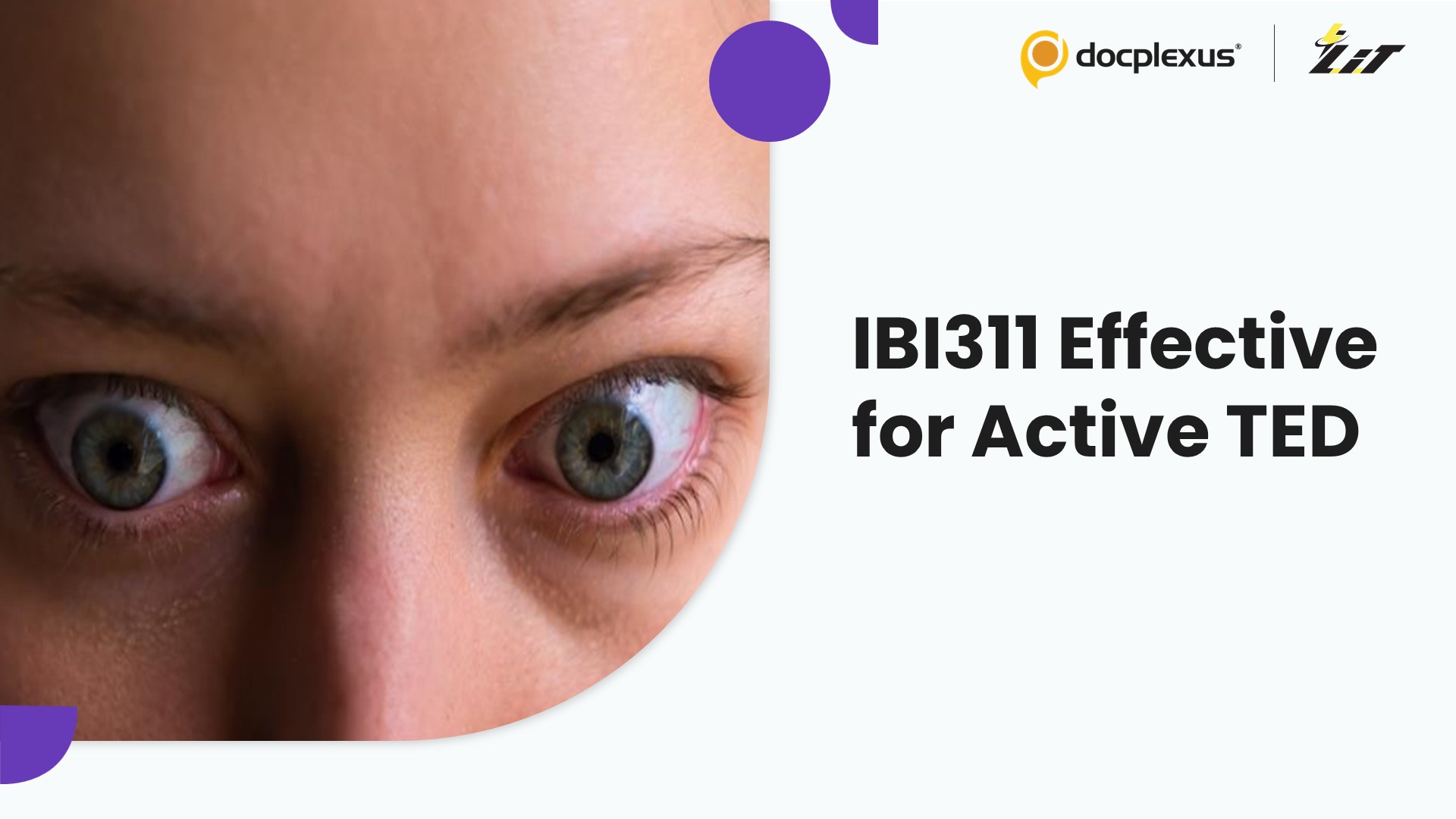
Insulin-like growth factor-1 receptor (IGF-1R) inhibitor therapy has emerged as a promising treatment for thyroid eye disease (TED), a disfiguring and potentially sight-threatening condition with racial phenotypic variations, yet supporting clinical evidence remains limited. To address this gap, a study evaluated the efficacy and safety of IBI311, an IGF-1R inhibitor with an identical amino acid sequence to teprotumumab but a different dosage form, in 82 patients with active TED, with a mean age of 39.6 years.
The study demonstrated a marked benefit of IBI311 over placebo in patients with active thyroid eye disease. At week 24, proptosis response occurred in 85.8% of patients receiving IBI311 versus 3.8% with placebo (difference, 81.9), with similarly large advantages observed for overall response (proptosis reduction ≥2 mm and CAS reduction ≥2, 80.2% vs 3.6%; difference, 76.3…