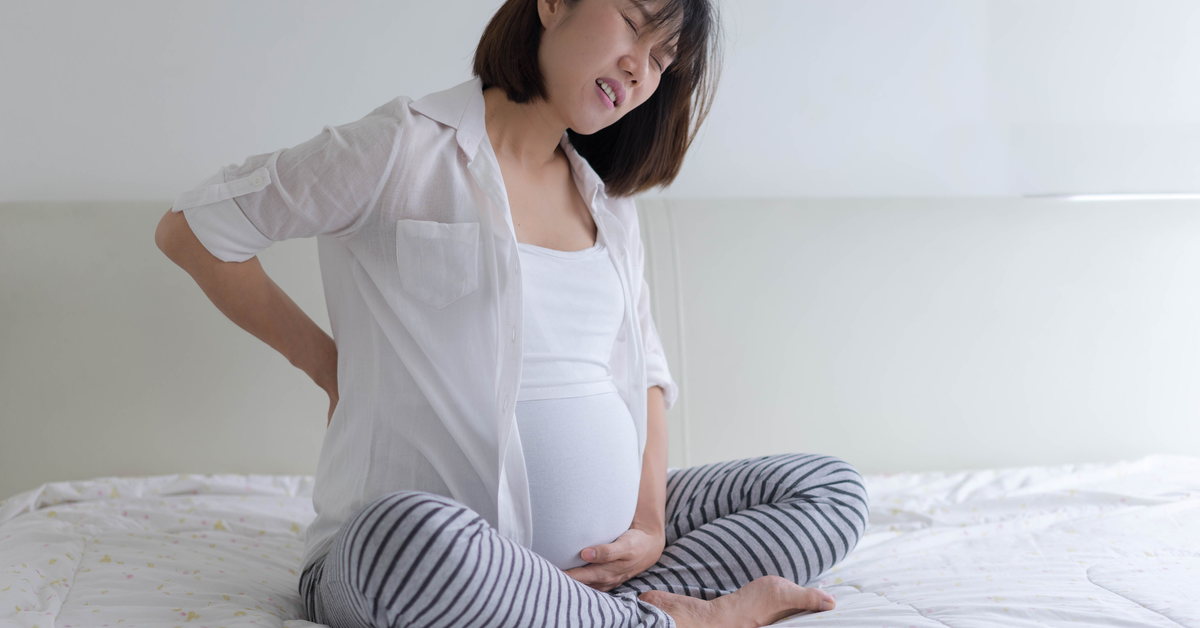
Pain during labour is one of the most intense human pains on the pain scale. Offering safe and timely pain relief to a woman during the process of delivery should be a standard policy across all nations. Pain relief is beneficial to the fetus within the womb as well. Increased pain to the mother releases 'catecholamines' that can result in decreased blood flow and thus lesser oxygen to the fetus.
The first recorded 'labour analgesia' happened way back in 1847. Multiple options, from hypnosis and acupuncture to using distraction techniques or giving milder forms of general anaesthesia have been used as labour analgesia over the years. Of all the methods available today, neuraxial analgesia (more specifically, epidural analgesia) is the most popular form done, associated with the best outcome and maternal satisfaction. Of the more modern variations in epidural labour analgesia, there are…