
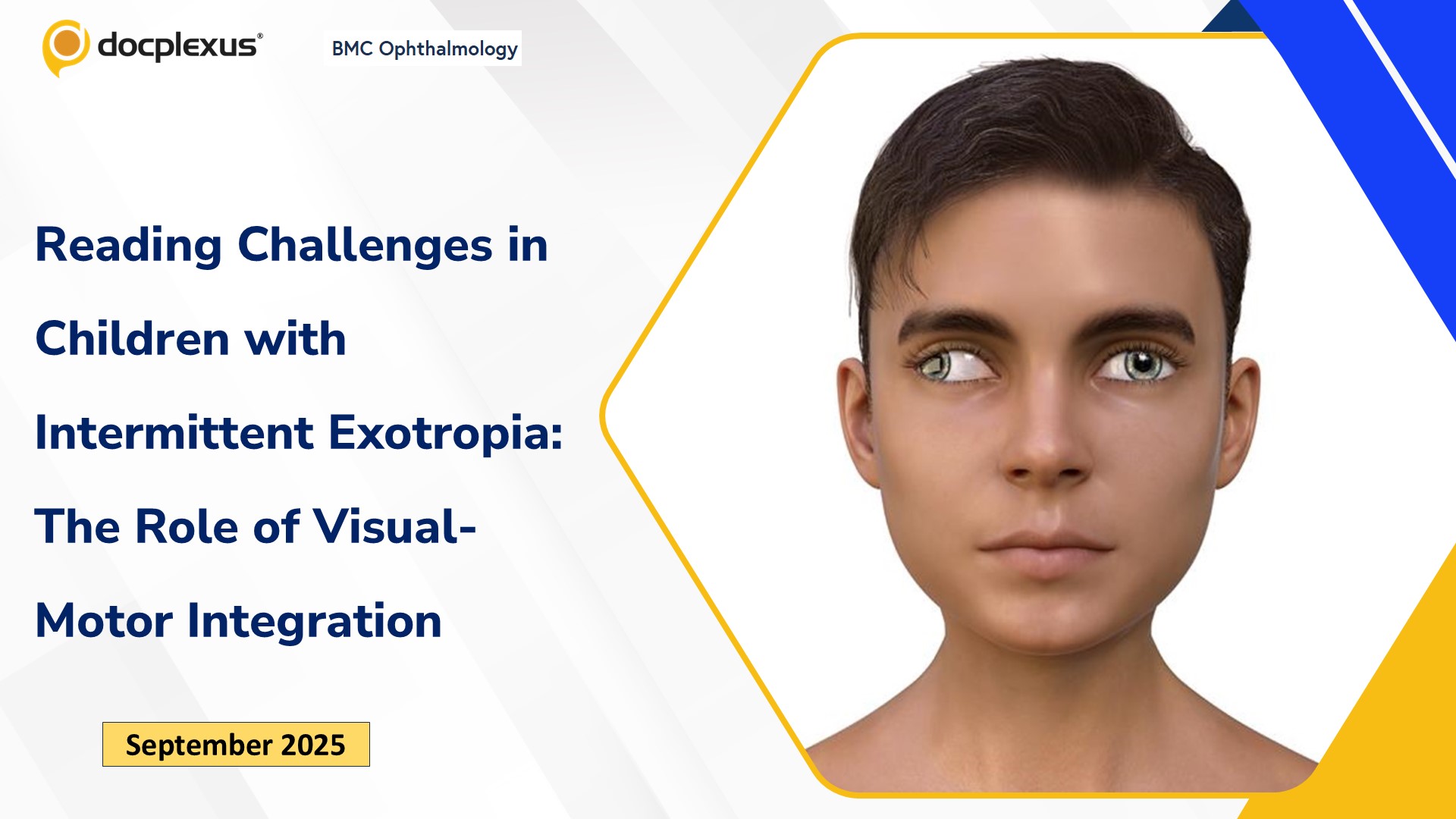
In a recent case-control study involving 61 children with intermittent exotropia (IXT) and 40 controls, researchers found that children with IXT had slower performance on the Developmental Eye Movement (DEM) test , greater reported difficulties in reading and language skills, and significantly reduced stereopsis, fusion, and contrast sensitivity . Visual-motor integration was identified as an independent predictor of reading performance, explaining 11% of its variability. These results highlight the importance of incorporating visual-motor integration assessment and intervention into the care of children with IXT to support reading and learning outcomes. To read more; Click here .
Could visual-motor training boost your patients’ reading outcomes? ##Reference## Yang, Y., Hou, J., Huang, H. et al. Reading ability in children with intermittent exotropia and its association with binocular…