
Minimally Invasive Approach for Rectal Prolapse Rectal prolapse affects patients' quality of life with debilitating symptoms, including uncomfortable prolapsing tissue, hemorrhage, mucus discharge, and defecation disorders. In recent decades, laparoscopic surgery has emerged as a preferred choice for treating rectal prolapse. It provides faster recovery, reduced morbidity, fewer postoperative complications, and shorter hospital stays. However, robotic surgery for rectal prolapse has gained more interest in recent years due to its better clinical outcomes.
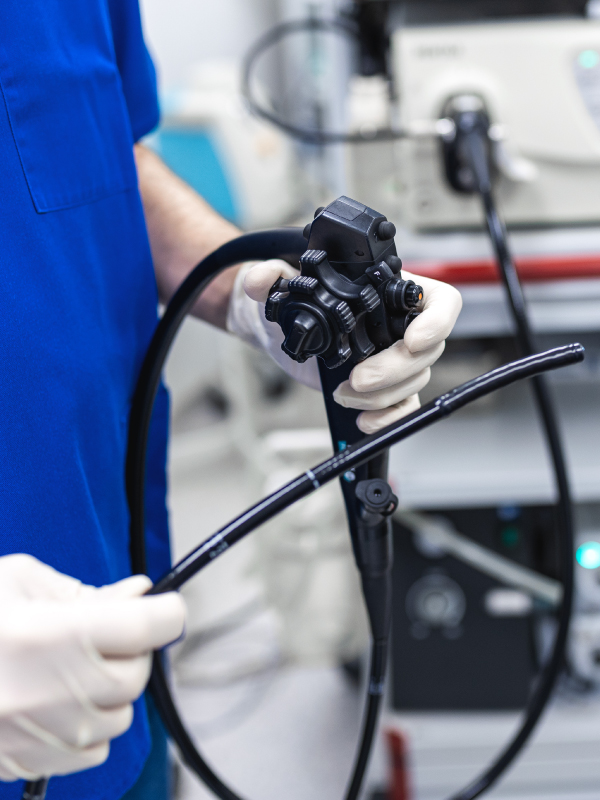
Colonoscopy Colonoscopy is most commonly used for diagnosing and treating colonic disease. Even though they are rare, some complications, including colon perforation, bleeding, and post-polypectomy syndrome, occur following colonoscopy. Trauma, thermal energy, removal of tissue lesions, and comorbidities can cause those…