
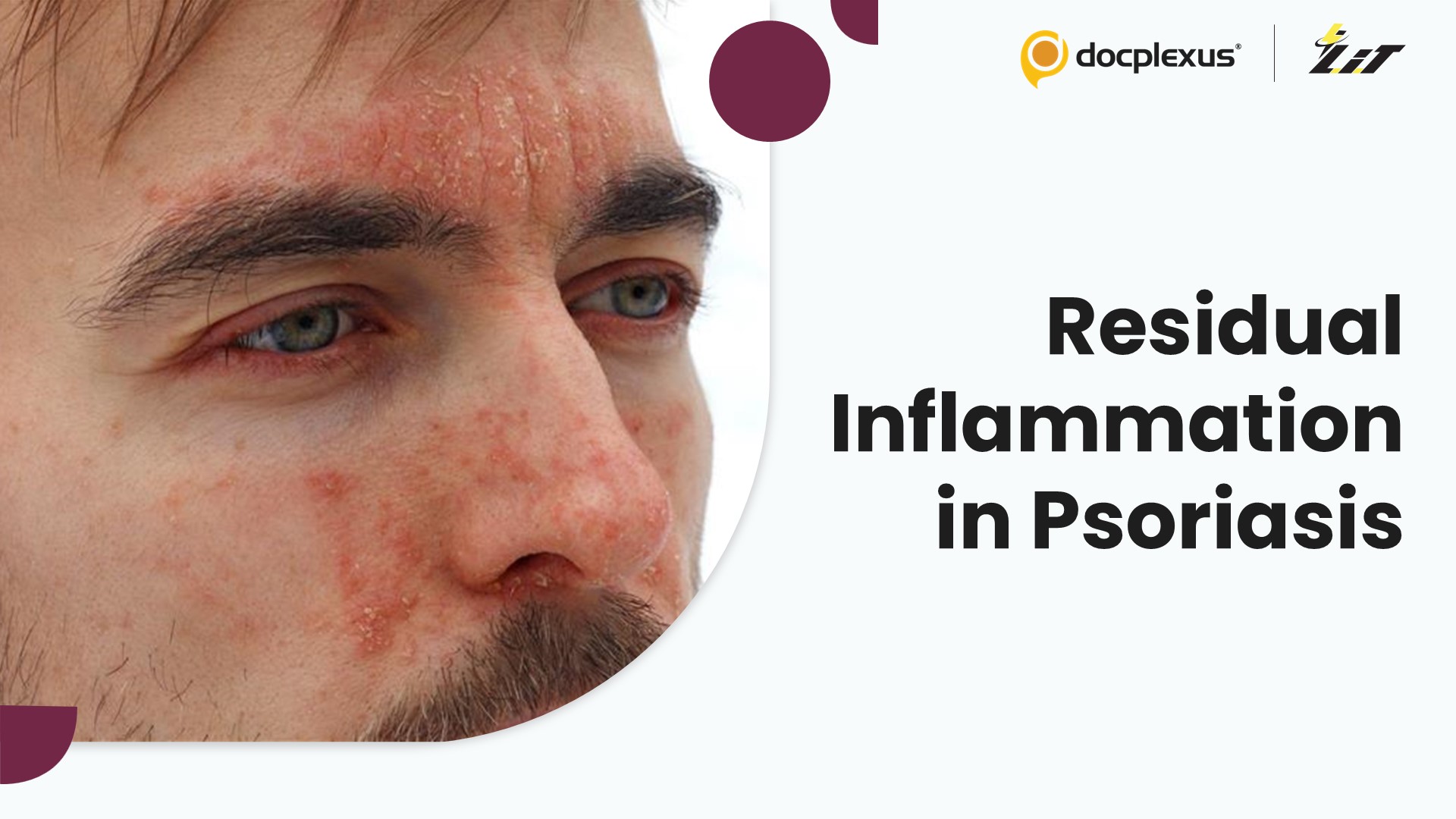
Psoriasis, a condition marked by systemic inflammation , has been linked to an elevated risk of cardiovascular disease. Notably, residual inflammation (RI) may persist even in patients who achieve optimal skin response, defined as a Psoriasis Area and Severity Index (PASI) score of 2 or lower. However, this concept remains largely underexplored to date. To explore this further, a study examined the association between RI and increased risks of obesity and liver disease in 209 psoriasis patients who achieved a PASI £ 2 after receiving biologic therapy.
The study found that 36.3% of psoriasis patients exhibited RI, which was significantly associated with higher BMI, metabolic dysfunction-associated steatotic liver disease, elevated systemic inflammation, and visceral fat. Female sex also emerged as a consistent predictor of RI. These findings suggest that RI persists even after optimal…

