
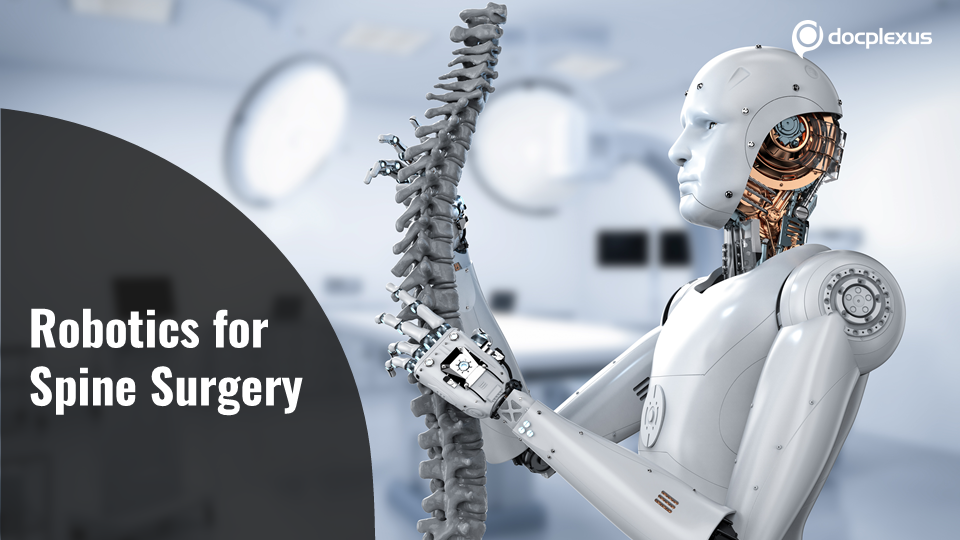
Researchers have successfully built a robotic replica of the human spine, with integrated soft, magnetic sensor arrays and have applied machine learning algorithms to build a realistic model that can help surgeons plan case-specific surgical interventions. Further, the model allows a preview of the postoperative performance or effects of the implanted artificial disc in patients with degenerative disease of the cervical spine. The standard treatment of degenerative disorders of the spine remains surgical implantation of an artificial disc, which requires meticulous selection of suitable candidates and close postoperative monitoring of its long-term performance.
Wearable sensors composed of soft flexible magneto-electronics are emerging as cost-effective technologies that can accurately acquire data related to spinal motion. These could potentially replace the existing, expensive digital…