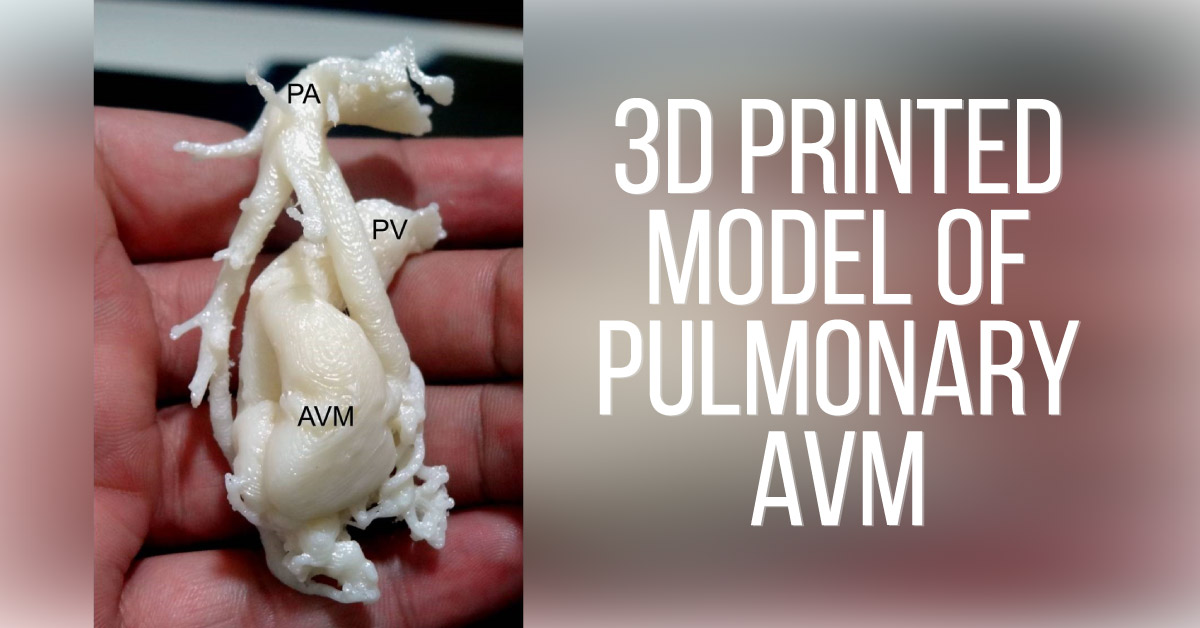
Three-dimensional (3D) printing is a fabrication technique used to transform digital objects into physical models. The technique builds structures of arbitrary geometry by depositing material in successive layers on the basis of a specific digital design. Although the use of 3D printing technology in cardiovascular medicine is still a relatively new development, advances within this discipline are occurring at a rapid rate.
Three-dimensional (3D) printing is at the crossroads of printer and materials engineering, noninvasive diagnostic imaging, computer-aided design, and structural heart intervention. Cardiovascular applications of this technology include the use of patient-specific 3D models for medical teaching, exploration of valve and vessel function, surgical and catheter-based procedural planning, designing and refining the latest innovations in percutaneous structural devices and…