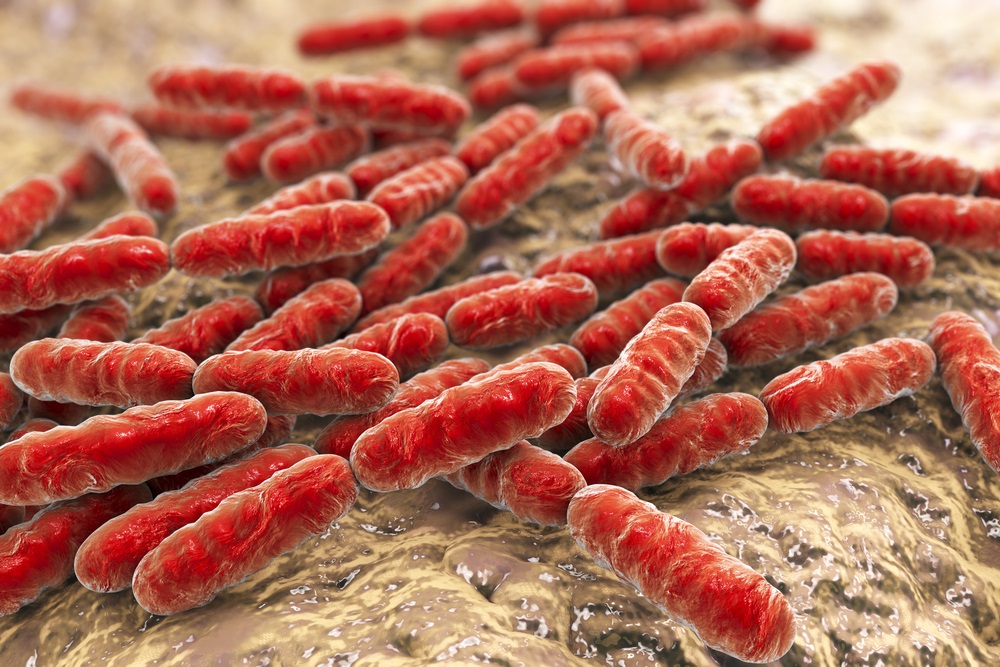
Small intestinal bacterial overgrowth (SIBO) is the presence of excessive bacteria in the small intestine. The condition is concerned as a source of chronic diarrhoea and malabsorption. The patients affected with this syndrome also suffer from unintentional weight loss, nutritional deficiencies, and osteoporosis. This first part will outline the epidemiology and pathophysiology of this disease. Human intestinal micro biota favors microbial ecology for wide diversity, population density, and complexity of interaction.
The duodenum and proximal jejunum normally contain small numbers of bacteria, usually lactobacilli and enterococci, gram-positive aerobes. In a healthy human, the epithelial surface of the small intestine is not colonised. Occasional groups of bacteria can be found in low concentrations within the lumen. Bacteria do not form clusters, and the luminal contents are separated…