Spontaneous bacterial peritonitis adds to the mortality associated with liver disease and cirrhosis and requires timely intervention to prevent mortality. Diagnostic techniques and effective antibiotics are crucial determinants of outcome. Acute infection of a previously sterile ascitic fluid within an unopened peritoneal cavity in the absence of an obvious intra-abdominal source of infection is termed as spontaneous bacterial peritonitis or primary peritonitis. It is a significant complication of decompensated liver disease and cirrhosis.
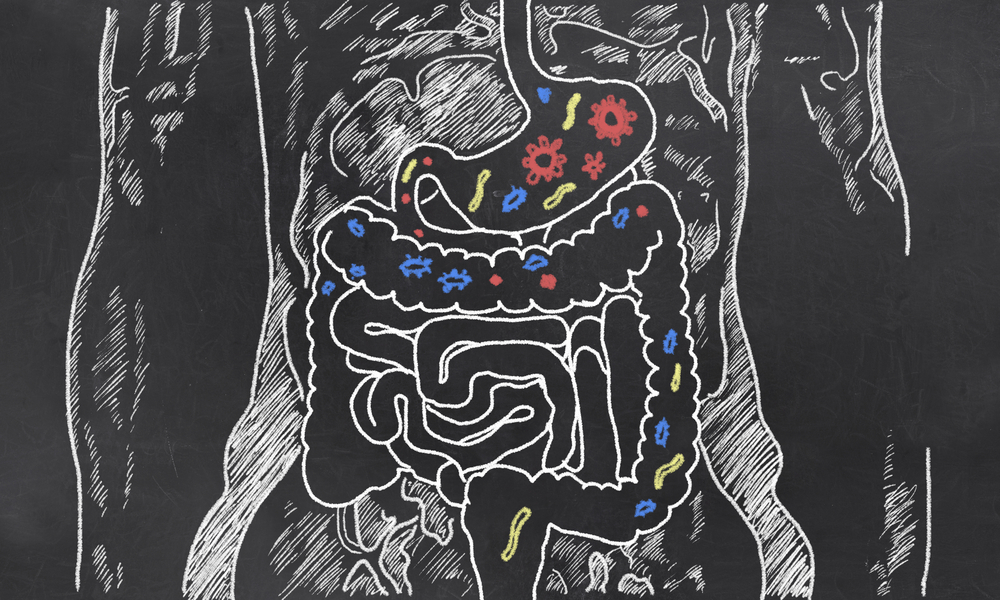
Pathogenesis The source of infecting bacteria is usually the gastrointestinal tract. Bacteria may reach the abdominal lymphatics either via the portosystemic circulation or through the thoracic duct. Direct entry into the abdominal cavity by traversing the intestinal wall has also been proposed. But the absence of polymicrobial infections and low…