
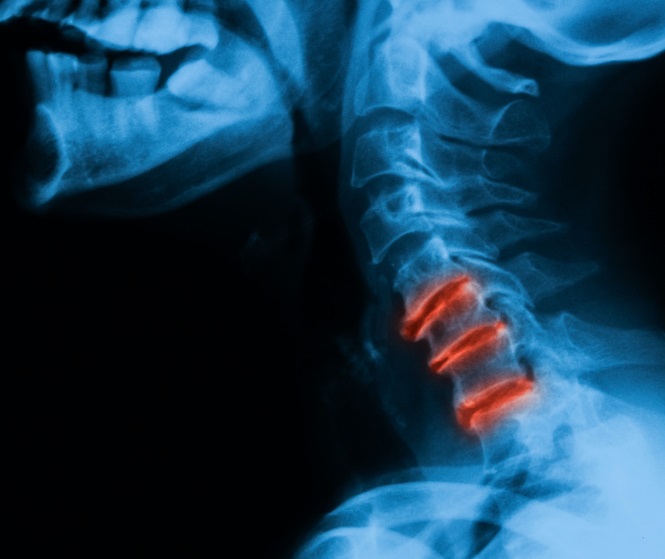
Cervical spondylosis is a common problem witnessed in modern orthopaedic practice. It is allied with significant patient morbidity related to the consequent radiculopathic and myelopathic symptoms. Operative intervention for this condition is generally indicated if conservative measures fail; however there are some circumstances in which urgent surgical intervention is necessary.
The pathogenesis of cervical spondylosis is age-related degeneration with loss of disc height and posterior or posterolateral disc herniation. Radiculopathy is caused by nerve root compression and presents with dermatomal and myotomal dysfunction in the upper limbs with general lower motor neuron signs of weakness, wasting, flaccid paralysis, and hyporeflexia. Specific tests used in the setting of cervical radiculopathy include Spurling?s test and manual cervical distraction; both of which may help to…