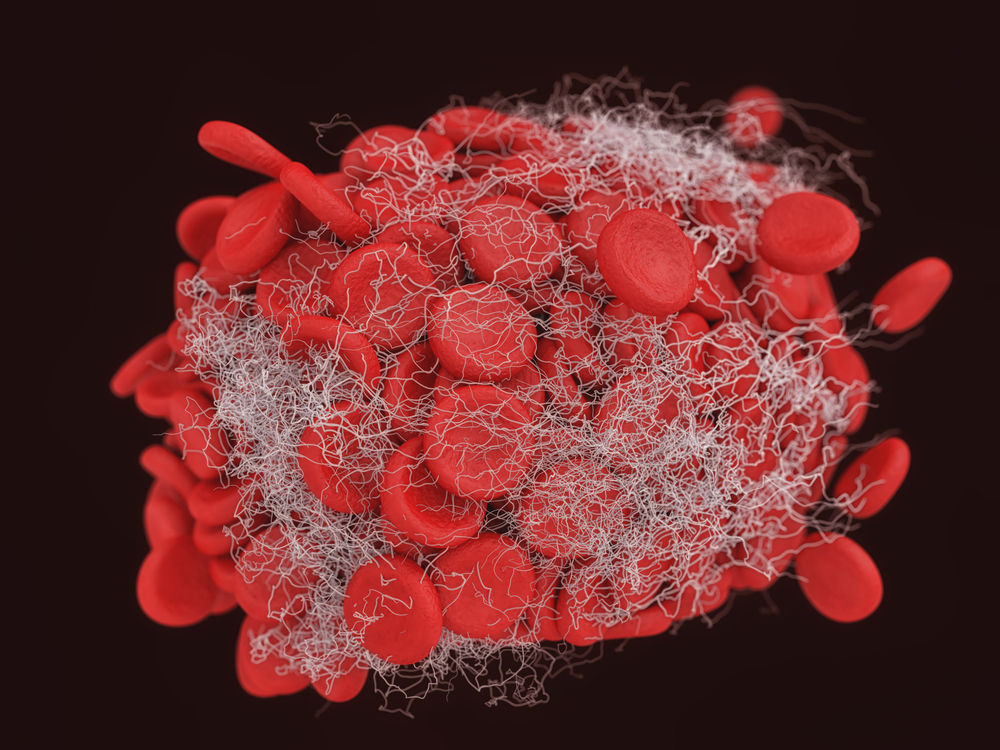
Preclinical studies showed that thrombus permeability improves recombinant tissue-type plasminogen activator (r-tPA) efficacy. This study aimed at verifying that thrombus permeability estimated from radiological imaging is associated with improved recanalization after treatment with intravenously administered r-tPA (r-tPA) and results in a better functional outcome. Earlier studies showed that thrombi can be permeable and may, therefore, allow for residual blood flow in occluded arteries of patients having an acute ischemic stroke.
This perviousness may increase tissue oxygenation, improve thrombus dissolution, and augment intra-arterial treatment success. Studies have already shown that the combination of computed tomographic angiography and non-contrast computed tomography imaging allows measurement of contrast agent penetrating a permeable thrombus, and it is associated with improved…