
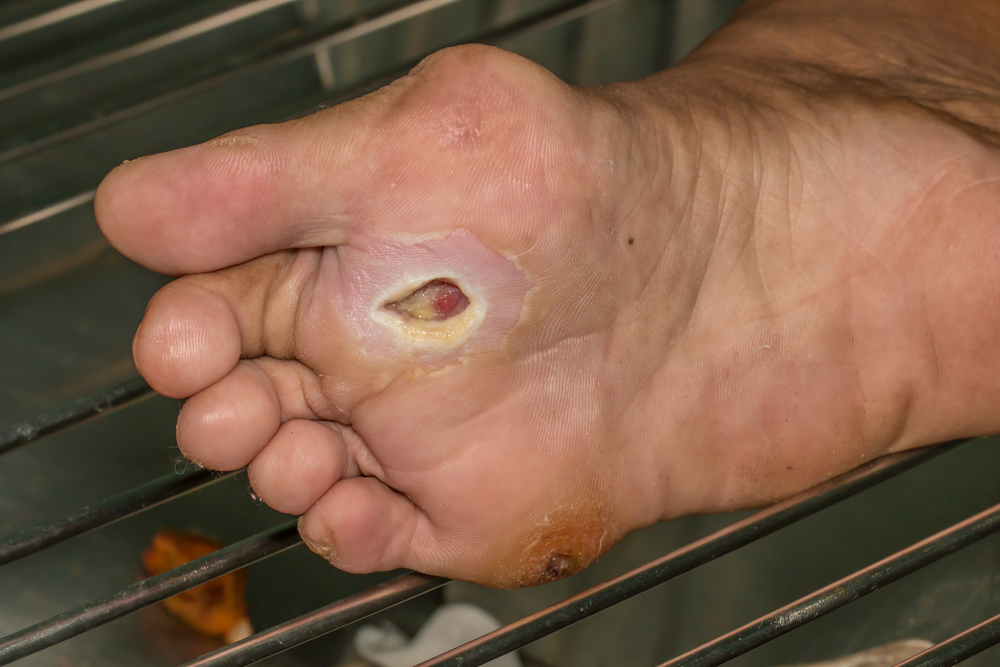
Diabetes patients have a 12–25% risk of developing a foot ulcer during their lifetime. Infection is a frequent (40-80%) and costly complication of diabetic foot ulcer and represents a major cause of morbidity and mortality. Consequently, causative organisms need to be reliably diagnosed and promptly controlled. The current article compares the culturing of infected diabetic foot wounds through tissues and swabs in an inclusive study.
The procedures used for sampling and microbiological analysis strongly affect the quality of evaluations of the microbiota in diabetic foot wounds. The swabs are often contaminated with normal skin flora or colonizers, and their diagnosis may result in failure to identify deep tissue pathogens. However, superficial wound swabbing is more widely applied in clinical practice as it is easy to perform and non-invasive. With the aim of reappraising the…