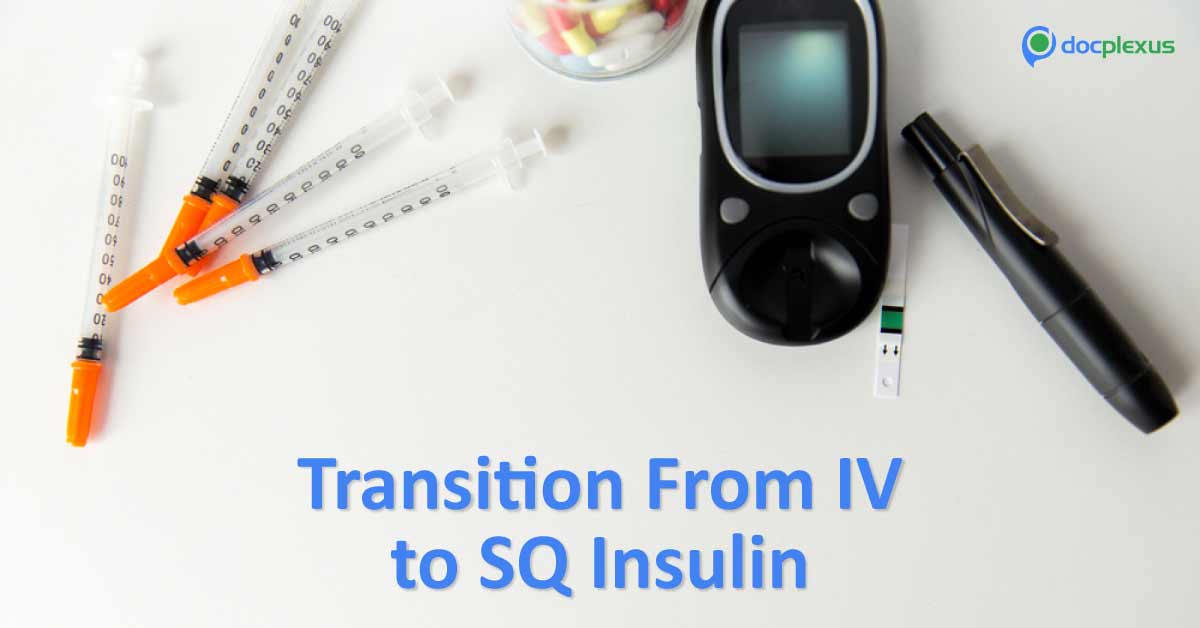
Intravenous (IV) insulin is used to control blood glucose in hospitalized patients with uncontrolled hyperglycemia, mostly in the critical care setting; moreover, it is the preferred mode of insulin delivery in the initial management of patients with diabetic ketoacidosis (DKA) and hyperosmolar state. Although IV insulin achieves and maintains excellent glycemic control, it is preferable to switch to subcutaneous (SQ) insulin as soon as possible because of the complexities and costs associated with the administration of IV insulin, and the need for frequent capillary blood glucose (CBG) monitoring and titration of insulin drip rates.
As such, as soon as the condition of the patient has stabilized, and he/she is preferably on enteral feeds, it is prudent to switch from IV to SQ insulin. However, many-a-times, there is a loss of glycemic control with rebound hyperglycemia during such…