
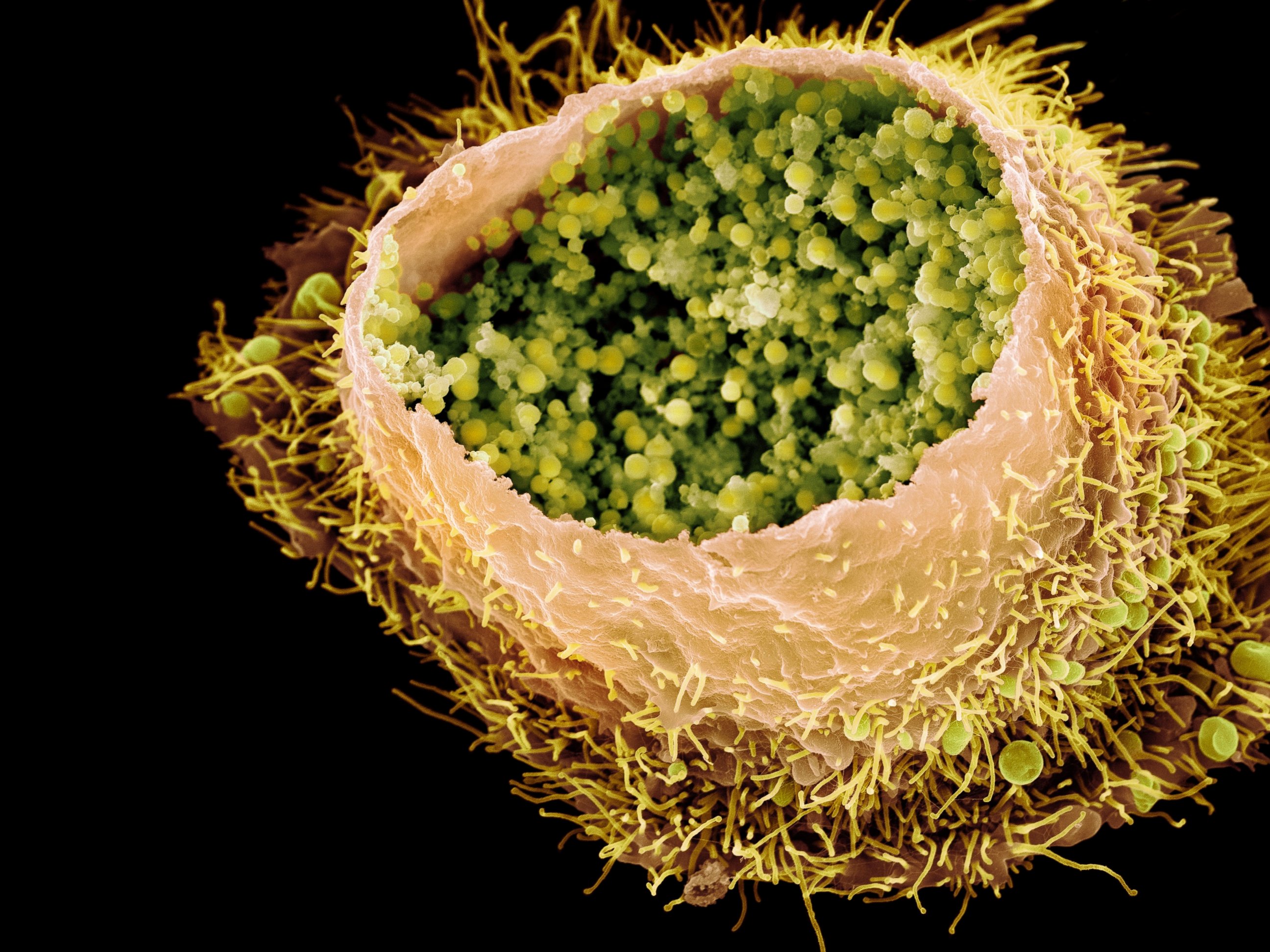
Chlamydia trachomatis, a small gram negative bacterium, is the most common cause of bacterial sexually transmitted infection (STI) in both men and women. A significant proportion of patients are asymptomatic, thereby providing an ongoing reservoir for infection. The most frequent clinical manifestation of chlamydial infection in men is urethritis, while the most common finding in women is cervicitis.
Goals of treatment The goals of treatment are to: Prevent complicated infections related to chlamydia and their sequelae (eg, pelvic inflammatory disease, infertility, chronic pelvic pain, ectopic pregnancy, epididymitis). Decrease the risk of transmission to others; this includes sexual partners and infants at delivery, the latter group at risk of acquiring ocular or pulmonary chlamydial infection from an infected mother. Attain resolution of symptoms; between 83 and 86 percent of…