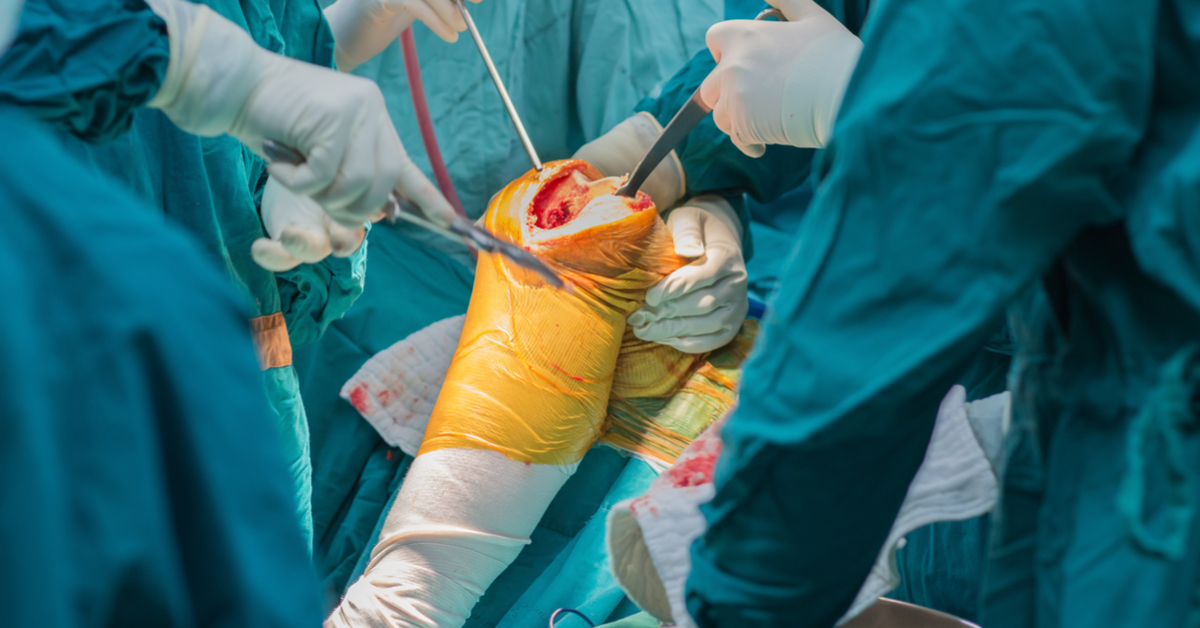
Cement is commonly used in joint replacement surgery. The quality of the interface between bone and cement is important to prevent future loosening which is more likely at this interface than at the cement-prosthesis interface. Modern Techniques include pressurised cementing which forces cement into canaliculi. This especially is important in hip replacement. A dry operating field improves cement penetratio into Bone. Regional analgesia is the commonest strategy to help achieve this.
Some surgeons use warm prosthesis to shorten the setting time of cement. Hypotension and hypoxia may occur during cementing, especially if pressurised and are clinically significant in about 10? of cases. This is no longer thought to be a direct effect of the methyl methacrylate monomer in cement entering the circulation, but rather due to showers of microemboli of Platelets, red cells and fat. These have a…