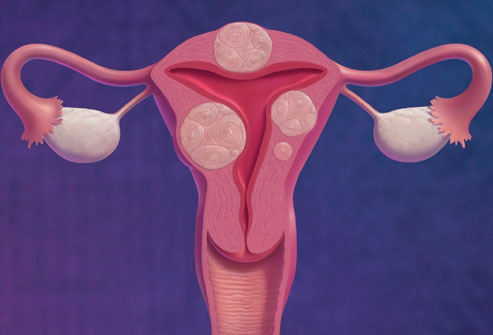
Uterine leiomyomas, or fibroids, represent a major public health problem. They are non-cancerous growths in the uterus. Frequently found between the ages 30-45, fibroids are the most common type of abnormal pelvic growth in women. They account for a most frequent indication for hysterectomy.
Uterine leiomyomas are the tumors probably occurring in the majority of women by the time they reach menopause and becoming clinically significant. Although the initiator or initiators of fibroids are unknown, several predisposing factors have been identified, including age (late reproductive years), family history and obesity. Estrogen and progesterone are recognized as promoters of tumor growth, and the potential role of environmental estrogens has only recently been explored. Regardless of their benign character, uterine fibroids are responsible for significant morbidity in a large segment of the…