The mother transduces environmental information such as nutritional status to her embryo or fetus through the placenta or to her infant through lactation. Fetal growth is generally matched to the mother's body size (rather than to genetic potential) through what is termed maternal constraint. Fetal development may be impaired by poor placental function or maternal disease, each of which can influence several points along the pathway from the mother's intake of food to the delivery of nutrients to growing fetal tissues.
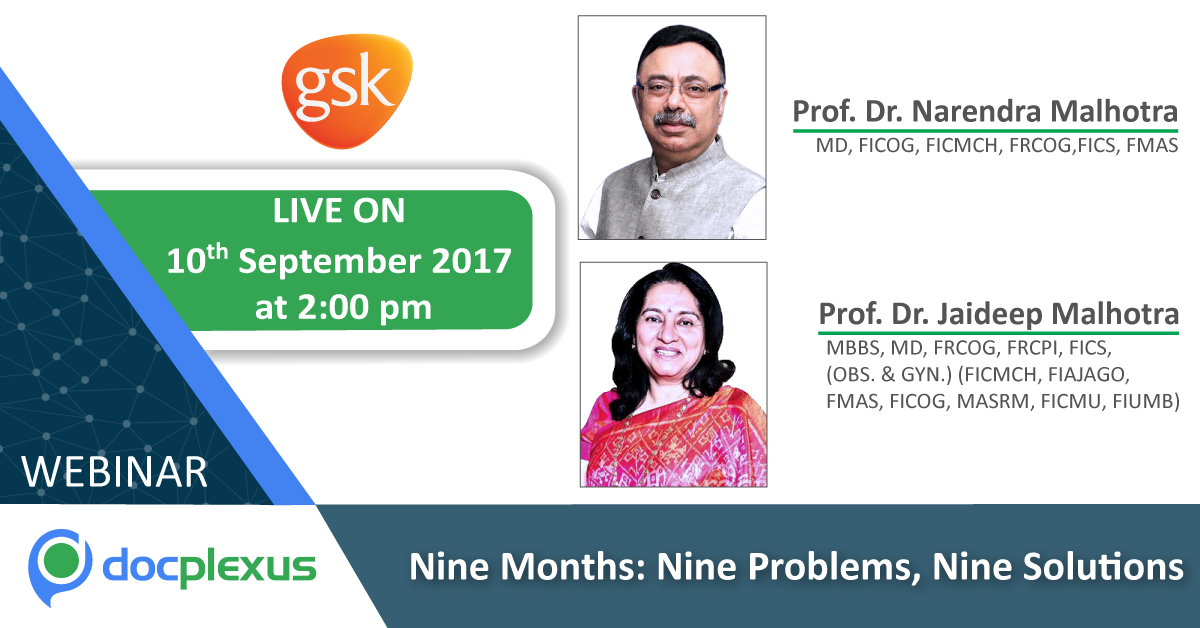
Intrauterine and early life events play an important role in the etiology of human diseases: there seems to exist a critical ‘window of opportunity’ in the human infant before and during pregnancy, and up to 24 months of age. This webinar session covered a discussion on Nine Months: Nine Problems, Nine Solutions . GSK and Docplexus had organized an interactive Webinar on…