
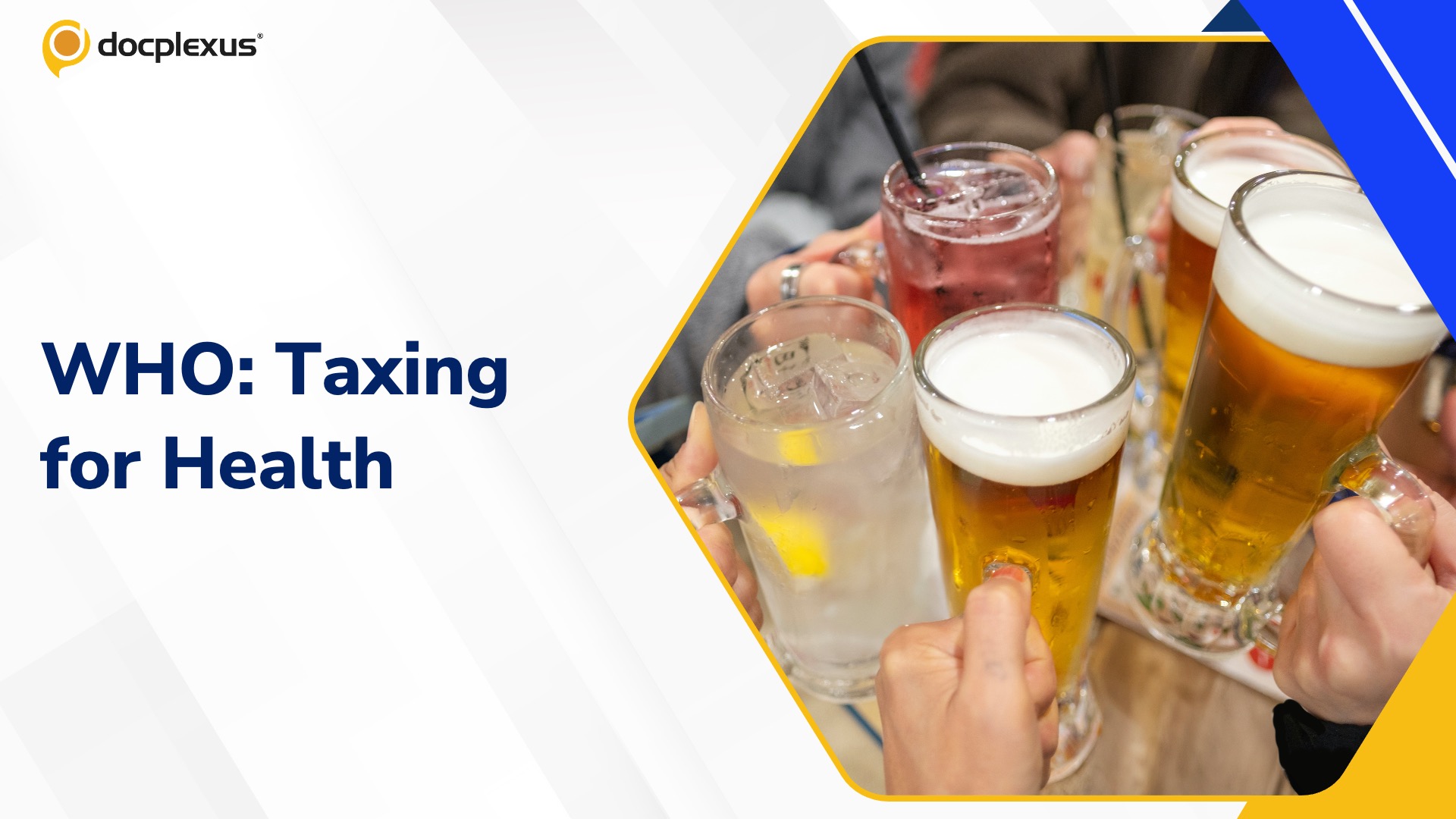
WHO has reported that the growing affordability of sugary beverages and alcoholic drinks is quietly undermining global efforts to control noncommunicable diseases and injuries. According to two new WHO analyses, persistently low and poorly designed taxes have allowed these products to remain cheap, driving higher consumption and placing increasing strain on already burdened health systems. The reports highlight a clear pattern when prices stay low, consumption rises, particularly among children, adolescents, and young adults. This translates into higher rates of obesity, diabetes, cardiovascular disease, cancers, alcohol-related injuries, and violence.
While these harms accumulate over time, the financial pressure on health systems is immediate and substantial. WHO argues that taxation is one of the most effective and underused public health interventions available. By raising taxes on…