
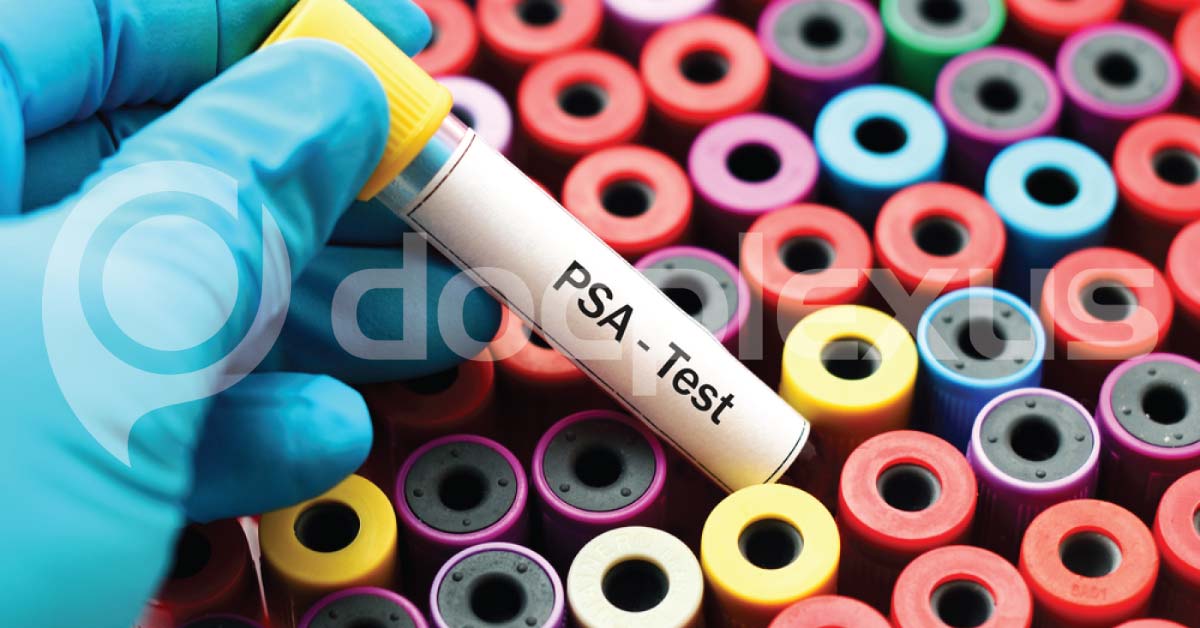
Prostate-specific antigen (PSA) is a protein produced by cells of the prostate gland. The PSA test measures the level of PSA in a man’s blood. The serum PSA level correlates directly with prostate cancer risk, but not all elevated PSA is not always cancer. Other health-related conditions may also lead to increase PSA levels. The current article describes 7 causes of increased PSA levels that are not cancer .
A PSA level of 4.0 ng/mL and lower is generally considered as normal. Thus, if a man had a PSA level more than 4.0 ng/mL, a prostate biopsy is advised to investigate for the presence of prostate cancer. Moreover, recent studies have concluded that men with PSA levels below 4.0 ng/mL have prostate cancer and that many men with higher levels do not have prostate cancer. The PSA test may sometimes give false-positive or false-negative results. Thus, if there is a recurrent rise in a…