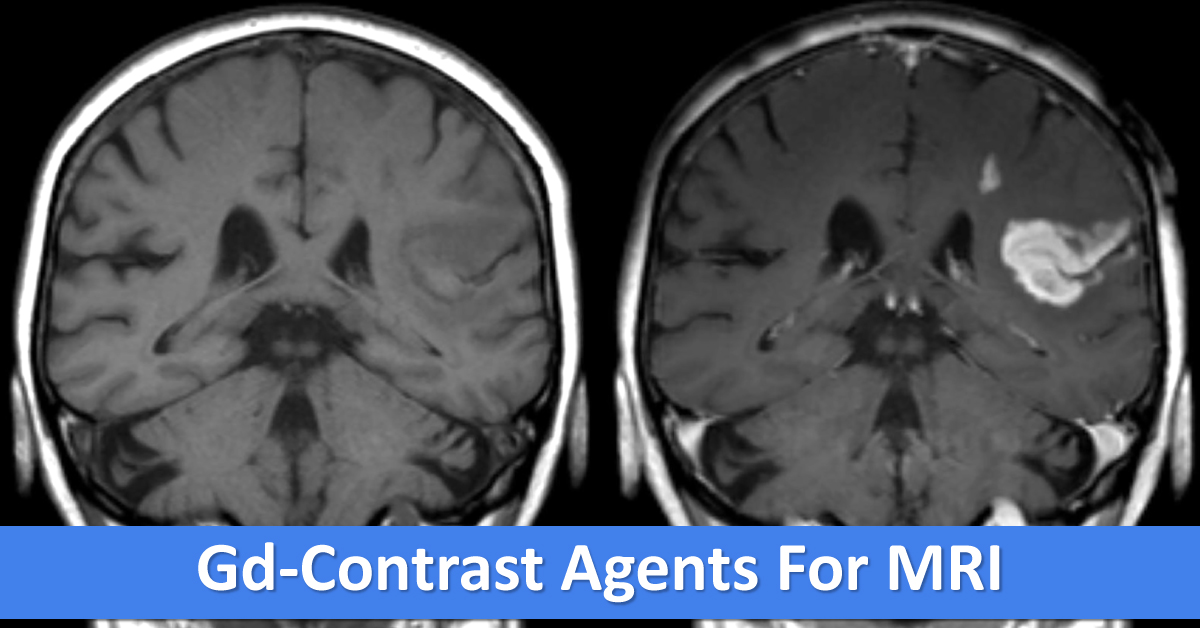
Magnetic resonance imaging (MRI) helps detect the abnormality of body organs, blood vessels, and other tissues. Recent reports have raised concern over the deposits of gadolinium-based contrast agents (GBCAs) being accumulated in the brains of some patients long after the last administration. This article reviews the safety and efficacy these gadolinium deposits and a recent FDA safety warning issued in this regard.
Since the time it was introduced in 1980s gadolinium-based contrast agents (GBCAs) have been the mainstay of MR imaging in delineating the anatomical abnormalities. Gadolinium has its ionic radius close to that of Calcium and hence toxic for humans as it may block many types of voltage-gated calcium channels and inhibit calcium-activated enzymes, even at nanomolar or micromolar concentrations. However, to reduce its toxicity and to ensure complete renal excretion in 24-48h,…