
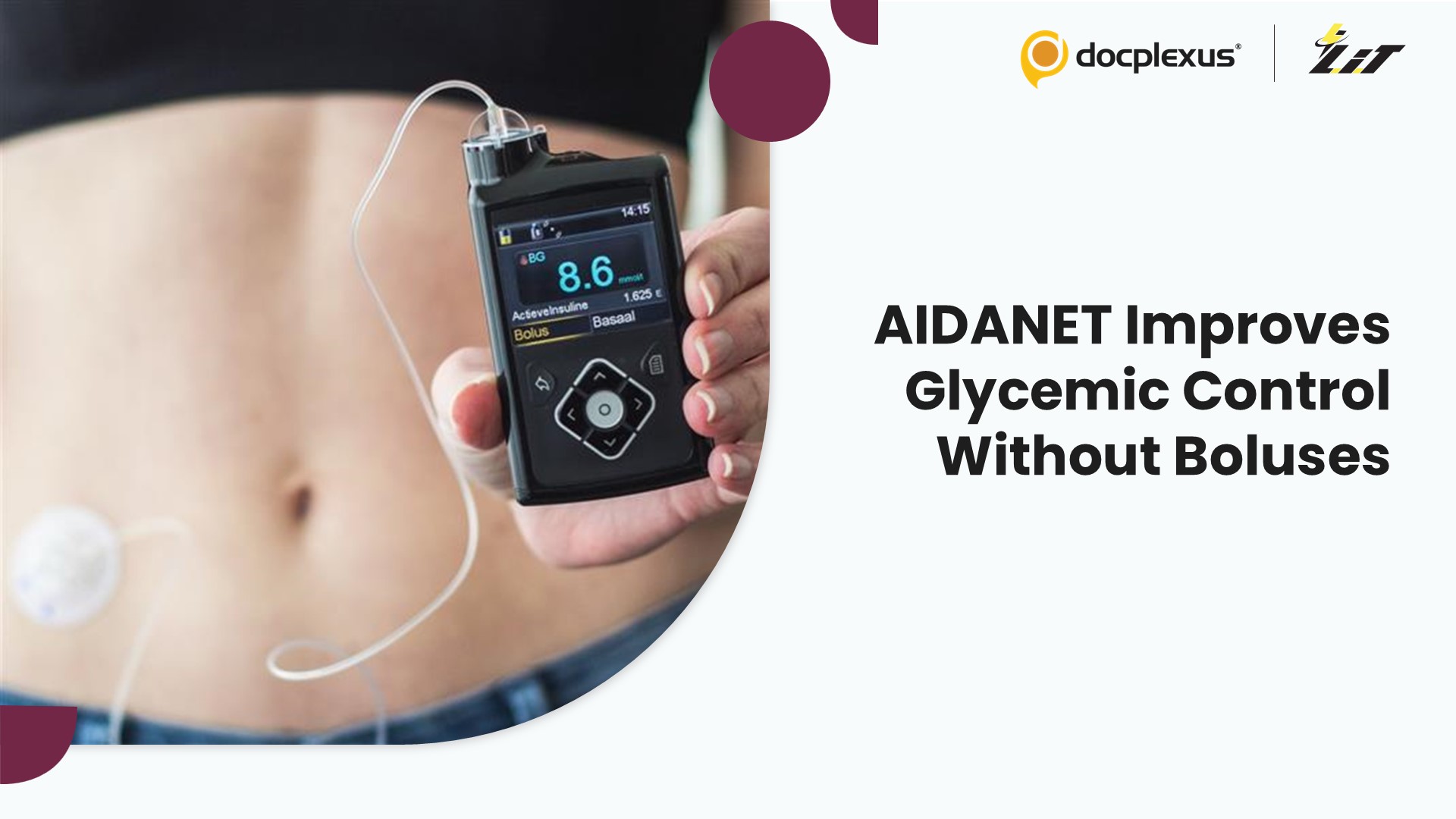
Automated insulin delivery (AID) systems that require manual premeal boluses remain the standard of care for people with type 1 diabetes, yet fully autonomous options are still evolving. To address this gap, a study evaluated the safety and feasibility of the Automated Insulin Delivery as an Adaptive NETwork (AIDANET) system used without meal announcements in both supervised and home settings, assessing its performance across a diverse cohort of 34 individuals with type 1 diabetes with a mean age of 25 years.
The study found that, compared with usual care, the fully closed-loop system (FCL) significantly reduced mean sensor glucose from 178 to 164 mg/dL (P = 0.0058) and increased time in range (70–180 mg/dL) as well as time in tight range (70–140 mg/dL), with significant reductions in time above range (>180 mg/dL and >250 mg/dL), particularly overnight. Importantly, time spent in…


