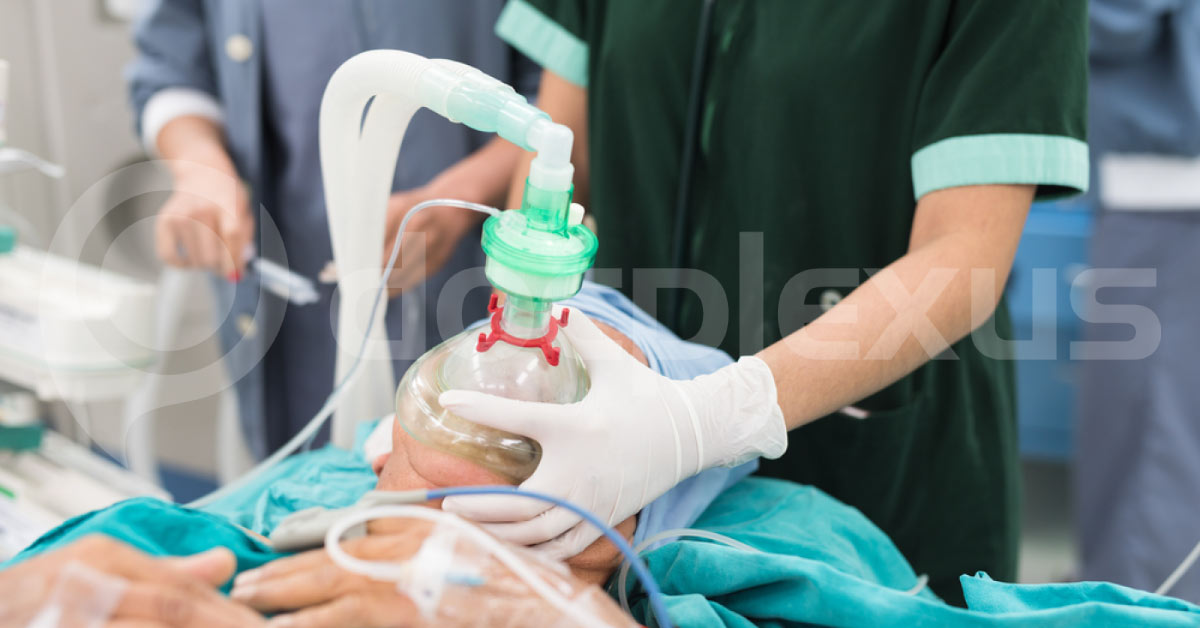
A difficult airway is routinely encountered by all anesthesiologists. Failure to manage difficult airway for anesthesia can have potentially serious implications, like hypoxic brain injury or even death in extreme cases. In patients with difficult airways, there might be a problem with facemask ventilation, placement of a supraglottic airway, laryngoscopy, or tracheal intubation.
Other complications include aspiration of gastric contents, laryngospasm, and bronchospasm. If these airway problems occur in combination, they may lead to serious morbidity and mortality. What measures do you take while managing patients with difficult airways?