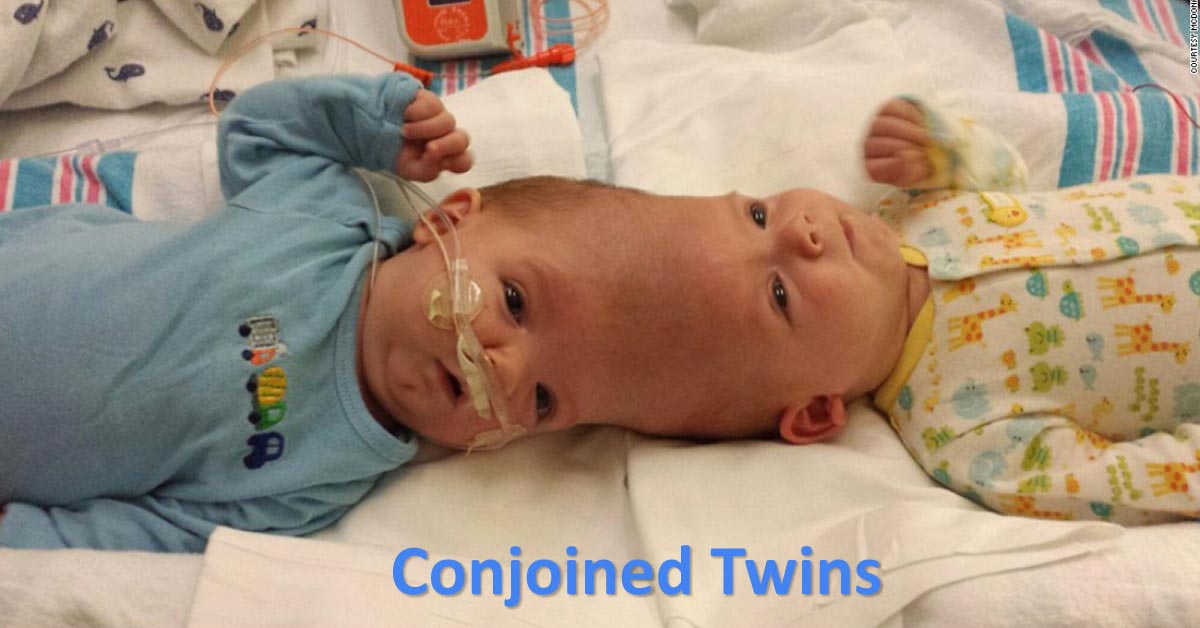
Emergency separation surgery for conjoined twins is extremely risky and life-threatening. Anesthesia for conjoined twin’s surgery is an enormous challenge to the anesthesiologist. The complexity of anesthesia and surgical procedure depends on the point of fusion and the internal organs that are shared. Therefore, this article discusses anesthesia recommendations for conjoined twins.
Conjoined twins is an extremely rare congenital malformation in humans with estimated incidence of 1 in 50,000 to 1 in 200,000 births. Conjoined twins are classified according to the site of union. The most clinically useful classification of conjoined twins divides them into symmetrically conjoined (the same size, symmetrical to each other) and asymmetrically conjoined (one is always smaller, a parasite), and dependent on the other. Anesthesia considerations Whether it’s for separation surgery, MRI or…