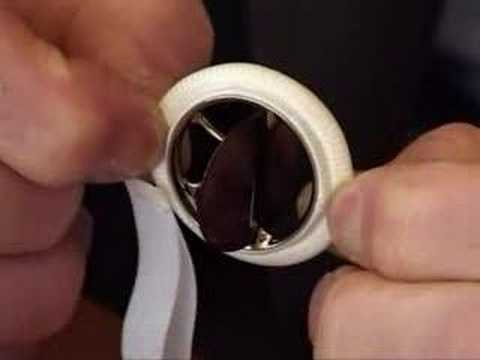
Introduction A heart valve acts as a check valve, opening and closing to control blood flow. This cycle occurs about 40 million times per year or two billion in an average lifetime. Natural valves can develop several problems, either the valve opening becomes narrow or may not close completely. The first condition decreases the pumping efficiency and limits the amount of blood pumped to the body.
The second condition can reduce the amount of blood to the rest of the body, as well as result in excess pressure in the lungs, also limiting their efficiency. Artificial heart valves consist of an orifice, through which blood flows, and a mechanism that closes and opens the orifice. There are two types of artificial heart valves: mechanical devices made from synthetic materials; and biological or tissue valves made from animal or human tissue. In general, biological valves are used for…